March 25, 2026
In this article, we will explore the essential information you should prepare before meeting with any awning companies. Proper preparation can ensure a smooth installation process and lead to a final product that meets your needs and expectations. By being informed and ready, you can ask the right questions and clearly communicate your requirements. A well-prepared client can significantly reduce misunderstandings and delays, ensuring that your project unfolds without major hiccups. This preparation not only benefits you but also allows the contractor to work more efficiently.
Understanding Your Specific Needs
Purpose of the Awning
Before contacting awning companies, it's crucial to have a clear understanding of why you want an awning installed. Is it for shade to enjoy outdoor gatherings, to protect indoor furnishings from sun damage, or perhaps to enhance the aesthetic value of your home? Clearly identifying the primary purpose will help you choose the right style and material. Communicating this effectively with your contractor can lead to valuable recommendations that align with your intended use. Remember, the right awning should serve both functional and aesthetic roles to maximize your investment.
Desired Coverage Area
Deciding on the size and coverage area of your awning is another significant factor. Do you want it to cover an entire patio, a specific seating area, or maybe just a window? Having precise measurements of the desired area will help your contractor plan for the job. According to Home Stratosphere, when installing an awning, you will need to allow at least 6 to 12 inches of open, height-wise wall space. This consideration not only impacts cost but also dictates the structural requirements of the project.
Preferred Material and Style
Your choice of material and style can greatly influence the durability and maintenance needs of your awning. Whether you prefer fabric, aluminum, or wood, each material comes with distinct benefits and drawbacks. Fabric awnings are versatile and come in numerous designs, while aluminum offers long-term durability. Understanding these differences and weighing your priorities can guide you to a choice that aligns with your needs and local climate. Consulting your contractor about the pros and cons of each material type will help you make an informed decision.
Seasonal Use and Weather Conditions
The weather conditions and seasonal use of your awning can affect both material choice and structural design. For instance, areas with heavy snowfall or rain may require different materials and additional structural support compared to more temperate regions. Reflect on whether you need an awning that can be retracted during extreme weather conditions. Expressing these factors to your contractor will help them provide designs and materials that can withstand your local environmental conditions. This foresight will ensure the longevity and functionality of your awning year-round.
Researching Local Regulations and Permits
Building Codes and Zoning Laws
Understanding local building codes and zoning laws is critical before proceeding with an awning installation. These regulations can dictate the size, material, and even the placement of your awning. Not adhering to these laws can result in penalties or the need to alter or remove the awning after it's been installed. Discussing these codes with your contractor ensures that the awning complies with all necessary legal standards. Awning companies usually have a good grasp of local regulations, but it is wise to verify this information independently before starting your project.
Homeowner Association Guidelines
If your home is within a community governed by a homeowner association (HOA), specific guidelines may regulate modifications such as awning installations. These guidelines can cover acceptable colors, materials, and designs to maintain neighborhood aesthetics. Failing to comply with HOA rules may result in fines or demands to alter or remove the installation. Make sure to review and discuss these guidelines with your contractor to avoid potential conflicts. Obtaining prior approval from the HOA will smooth the installation process and ensure community standards are respected.
Potential Restrictions or Limitations
It's essential to understand any potential restrictions or limitations that may affect your awning installation. These restrictions can include limitations on awning size, type, or placement due to local infrastructure or environmental regulations. By acknowledging these restrictions early, you can adjust your plans to accommodate them without compromising your core objectives. Discussing these with awning companies can provide insight into creative solutions or alternative approaches. Staying informed about these potential hurdles will help align your expectations with feasible outcomes.
Environmental and Safety Regulations
Environmental and safety regulations are vital considerations when planning any construction project, including awning installation. These regulations ensure that your awning installation poses no risk to the environment or public safety. This might include adhering to certain standards for fire resistance, wind loads, and drainage considerations. Consult with your contractor to ensure the design meets all necessary safety standards. Being diligent with these regulations will protect your investment and those enjoying the surrounding spaces.
Evaluating Site Conditions
Location and Orientation
The location and orientation of your awning can significantly impact its effectiveness and aesthetic appeal. The positioning will determine how well it fulfills its purpose, whether it is shading a patio or protecting a window. Consider the direction of sunlight and prevailing winds when planning where to position your awning. These factors can affect not just the comfort of anyone using it but also its durability and lifespan. Discussing these factors with awning companies can yield the optimal placement for your needs.
Structural Supports and Attachments
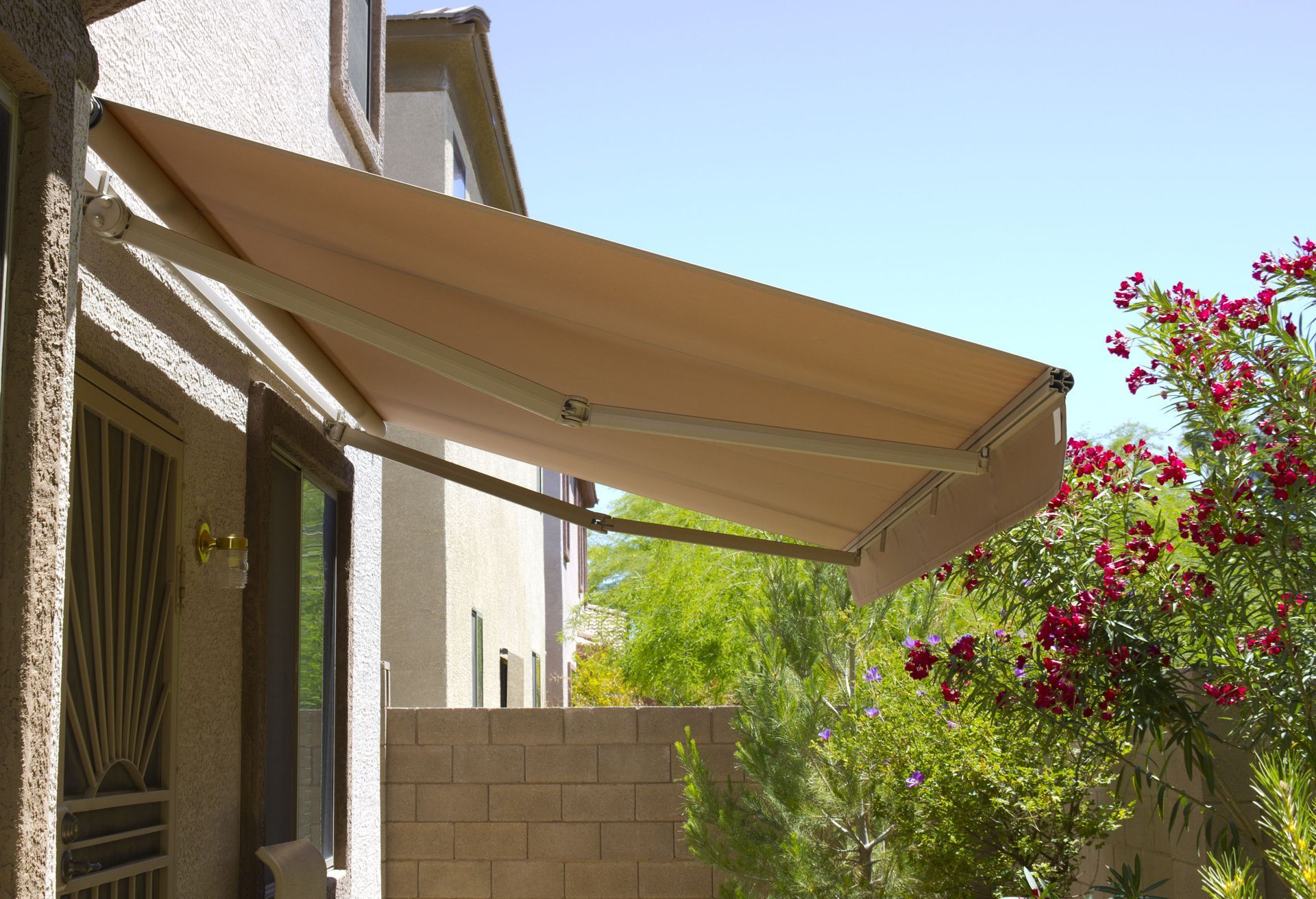
The structural supports and attachments for your awning are crucial to ensure it remains stable and secure. Whether attached to a wall or free-standing, the integrity of these supports will dictate the safety and longevity of the awning. Awning companies will assess existing structures for compatibility and discuss necessary modifications or reinforcements. It is vital to allow adequate room for secure attachment, so ensure a clear understanding of the layout and necessary space.
Soil Composition and Drainage
If ground mounts are required for your awning, understanding soil composition and drainage is pivotal. Different soil types can affect the foundation's stability, and poor drainage could lead to erosion or water pooling. Awning companies should evaluate these conditions to recommend suitable structural approaches or prepare for necessary amendments. Efficient drainage solutions should be considered to prevent water damage to the awning or surrounding areas. Being proactive in addressing these concerns will help maintain the awning's condition over time, supporting longevity.
Sun and Shade Patterns
Analyzing sun and shade patterns is essential for maximizing the utility and comfort of your awning. Observing these patterns can guide decisions on placement and orientation to ensure maximum shade during peak sunlight hours. This consideration can also enhance energy efficiency by reducing indoor cooling needs. Collaborate with your contractor on these observations to craft a design that leverages natural light and shading optimally. A well-thought-out positioning can transform an otherwise simple awning into a highly functional asset for your home.
Preparing detailed information for your awning contractor will streamline the installation process, reduce potential issues, and ensure that the final product meets your expectations. By taking the time to research and prepare, you create a foundation for a successful collaboration and a high-quality awning that enhances your outdoor space. Awareness and diligence in preparation empower you as a homeowner, allowing you to enjoy the installed awning fully. This informed approach ultimately leads to a fruitful and lasting investment into both your property and quality of life. If you're in search of a qualified awning contractor, be sure to contact Thomas Awning!