November 17, 2026
With rising utility rates and sustainable living becoming top priorities, homeowners are actively seeking practical solutions to reduce high summer cooling expenses. While indoor climate control often depends on running energy-hungry air conditioners continuously, exterior shading delivers an effective, proactive alternative. By intercepting intense sunlight before it penetrates window glass, awnings transform how a residence manages incoming solar heat. Working alongside an established local awning company enables homeowners to install tailored shading systems that elevate architectural character while significantly lowering household electricity consumption. Exploring solar heat dynamics, fabric engineering, automated controls, and verified utility savings reveals how exterior shading provides both immediate comfort and lasting financial returns.
Understanding Solar Radiation and Glazing Heat Gain
Solar radiation enters a home primarily through clear window panes, where sunlight strikes interior surfaces, converts into thermal energy, and becomes trapped indoors. This greenhouse effect forces air conditioners to run continuously to extract heat from the living space. Exterior shades intercept this process at the perimeter. According to Persistence Market Research, that awnings can reduce home cooling energy by as much as 26% demonstrates the immense efficiency of blocking solar radiation before it strikes the glass. By creating a physical barrier, exterior canopies substantially reduce solar heat gain across vulnerable exposures.
Effective thermal protection depends upon calculating optimal projection angles. A knowledgeable local awning company evaluates solar paths to determine how south- and west-facing windows should be shaded during peak afternoon hours. Because these orientations receive intense direct exposure, blocking sunlight before it heats the glass allows internal cooling loads to plummet, enabling compressors to run in shorter, more economical cycles. Homeowners experience consistent indoor temperatures, eliminating hot spots common in unshaded residences during summer heatwaves.
Selecting High-Performance Architectural Fabrics
The thermal performance of any shading installation depends on the materials chosen for the canopy. Modern systems utilize advanced textiles woven from solution-dyed acrylic or polyolefin fibers engineered to resist ultraviolet degradation and shed radiant heat. Unlike traditional canvas, these fabrics feature breathable weaves that prevent heat buildup beneath the structure while offering superior resistance to water, mold, and rot. By reflecting unwanted solar wavelengths, these engineered textiles maintain cooler air directly adjacent to the glass.
Hardware engineering is equally essential for structural reliability. High-strength aluminum frames, electrostatic powder coatings, and stainless steel fasteners provide the resilience required to endure high winds and seasonal weathering. When customizing shading solutions, consulting a local awning company ensures that frame engineering and fabric density match the specific architectural demands of the property, preserving vibrant color, structural integrity, and thermal deflection properties for years.
Comparing Exterior Canopies with Interior Blinds
Homeowners frequently wonder whether exterior installations outperform conventional interior blinds, drapes, or solar films. While interior treatments provide privacy and glare reduction, their ability to stop heat gain is inherently limited. Once sunlight passes through the glass, radiant energy is already trapped inside the living space. Interior window coverings merely absorb that heat and reradiate it into the room, driving up ambient temperatures and increasing cooling demands.
Exterior canopies solve this problem by eliminating solar contact at the structural boundary. Thermal imaging confirms that exterior shades dissipate radiant heat into the open atmosphere rather than allowing it inside. An experienced local awning company can demonstrate this principle through detailed thermal assessments, showing how exterior shade prevents heat buildup before it impacts the building envelope while shielding interior furnishings from ultraviolet fading.
Integrating Automated Sensors and Smart Controls
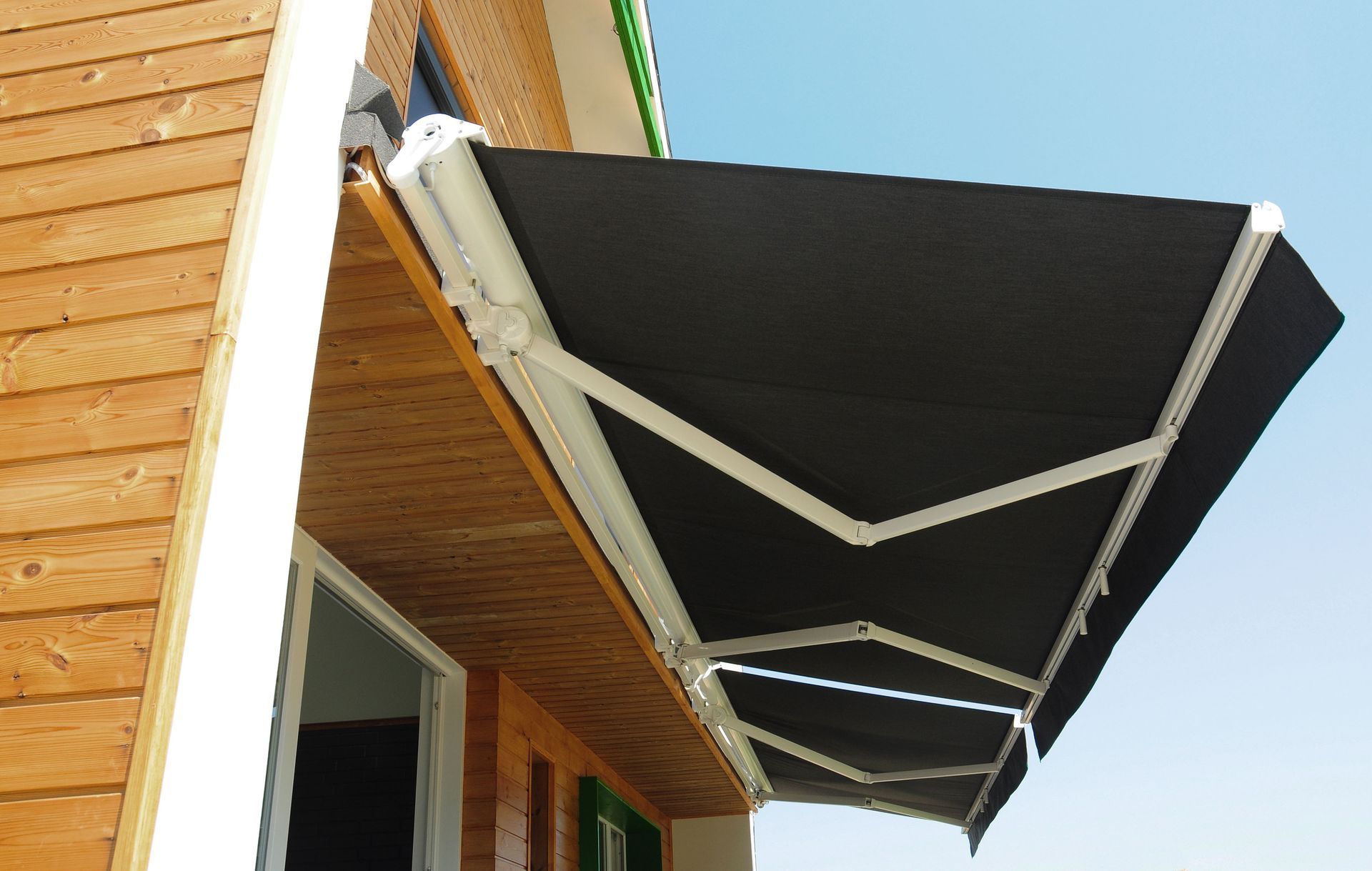
Technological advancements have enhanced residential shading through intelligent automation and environmental sensors. Modern retractable systems can be outfitted with digital wind, rain, and sun sensors that respond automatically to shifting weather conditions. When morning sunlight surpasses programmed brightness thresholds, sensors prompt the canopy to extend and shield the glass before interior temperatures rise. Conversely, if sudden high winds develop, the unit retracts automatically into a protective cassette to prevent mechanical strain.
These motorized units interface seamlessly with established home automation platforms and mobile devices, providing homeowners with convenient remote control. Users can establish daily schedules that coordinate canopy deployment with peak solar hours, ensuring maximum thermal efficiency even when away from home. A skilled local awning company can configure these intelligent motors to sync with existing smart home systems, delivering proactive thermal control without manual operation.
Adopting Recycled Materials and Sustainable Practices
Environmental stewardship has become a defining focus within modern shading design, prompting manufacturers to prioritize sustainable fabrication methods. Today, leading manufacturers utilize recyclable aluminum structural components, low-VOC coatings, and eco-certified textiles to minimize manufacturing footprints. Choosing sustainably fabricated shade structures allows homeowners to improve residential energy efficiency while minimizing their overall carbon footprint across the lifespan of the building.
Material longevity represents another crucial dimension of green building practice. Durable, weather-resistant assemblies reduce product lifecycle turnover, keeping synthetic materials out of landfills for decades. A reputable awning professional guides clients toward eco-certified fabrics engineered for prolonged service lives under harsh climate conditions. By curtailing household electricity usage, these installations decrease fossil fuel demand across regional electrical grids, producing tangible environmental benefits alongside lower utility bills.
Reviewing Real-World Case Studies and Energy Data
Longitudinal data and field case studies consistently confirm the substantial energy savings delivered by exterior window shading. In monitored residential tests across sunny climates, households adding exterior shades to unshaded west-facing windows recorded immediate drops in indoor ambient temperatures. Commercial facilities, such as grocery markets and office spaces, report comparable results, noting significant reductions in HVAC operational hours after shading large storefront glass.
These documented findings mirror broader building science research confirming sustained drops in seasonal kilowatt-hour consumption. Utility billing evaluations conducted before and after canopy installations demonstrate that shading delivers rapid, measurable reductions in peak air conditioning demands. Monitored field data demonstrates that systematic shading delivers tangible reductions in electricity consumption that persist season after season, proving that exterior shade systems represent reliable energy efficiency upgrades capable of providing verified, long-term operational cost relief.
Lowering Seasonal Power Draw and Utility Costs
The most immediate financial incentive for installing exterior awnings is the measurable drop in monthly air conditioning expenses. Because cooling equipment accounts for a major portion of warm-weather electric bills, lowering the thermal burden on the HVAC system directly reduces power costs. When solar heat gain is curtailed, compressor units run less frequently, extending the operational life of expensive mechanical equipment and minimizing maintenance expenses.
Furthermore, exterior shading assists homeowners in avoiding expensive peak-demand surcharges levied by utility providers during afternoon heat spikes. Reducing electricity draw during peak pricing windows protects household budgets from elevated utility tariffs. By collaborating with a local awning company, property owners can strategically target vulnerable windows to maximize financial savings and offset the upfront investment over time, delivering sustained financial benefits year after year.
Boosting Resale Value and Exterior Curb Appeal
Beyond energy savings, exterior canopies deliver a tangible enhancement to residential curb appeal and property appraisal value. Clean, well-designed awnings introduce architectural depth, color, and visual distinction to residential facades. In modern real estate markets, prospective buyers increasingly prioritize residences equipped with energy-efficient improvements and functional outdoor living amenities. A canopy placed over a patio or deck creates an inviting exterior lounge that expands usable living space while shielding adjoining interior rooms.
Professional styling ensures that canopy designs, frame profiles, and color schemes complement the unique architectural style of the home. A qualified local awning company provides regional aesthetic expertise, assisting homeowners in choosing fabric patterns that coordinate with siding, masonry, and landscape features to present an upscale exterior that distinguishes the home in competitive property markets.
Securing Professional Installation and Regional Rebates
Realizing the full benefits of an exterior shading project requires taking advantage of available utility rebates, regional efficiency incentives, and expert installation. Many municipalities and power providers offer energy conservation credits for residential exterior shading upgrades that lessen demand on regional electrical infrastructure. Securing these incentives requires certified documentation regarding solar heat gain reduction and proof of professional installation.
Partnering with an established local awning company ensures that measuring, structural anchoring, and electrical connections satisfy municipal building codes and manufacturer specifications. Experienced technicians guarantee that frames are securely fastened to structural framing to withstand severe weather events. If you are prepared to upgrade your property's energy efficiency and lower your monthly cooling costs, reach out to the dedicated team at Thomas Awning to schedule your comprehensive design consultation and expert installation.