November 20, 2026
A well-planned outdoor living space expands the usable square footage of a home while connecting indoor comfort with outdoor relaxation. Decks and patios serve as natural gathering spots for family dinners, weekend entertaining, and quiet mornings, yet unrelenting sun exposure or sudden rain showers can quickly render these spaces inhospitable. Investing in residential awnings provides a versatile shelter against severe weather, preserving patio furnishings and dramatically improving daily comfort. Property owners seeking to enhance their outdoor areas typically choose between two primary configurations: retractable models and fixed installations. Each design delivers distinct architectural benefits, functional capabilities, and maintenance requirements tailored to different lifestyle demands.
Exploring the Appeal of Modern Outdoor Shade
Selecting the proper overhead covering requires an understanding of how sun control influences household routines and exterior aesthetics. Residential awnings do far more than shield homeowners from direct sunlight; they redefine the architectural profile of a house and create defined zones for dining, lounging, and cooking. By adding shade over expansive patio doors and picture windows, overhead canopies also assist in regulating interior climate zones. The debate between flexible systems and permanent canopies centers on whether a homeowner values on-demand sunshine or steadfast, year-round shelter against the elements.
Understanding the Mechanics of Retractable Systems
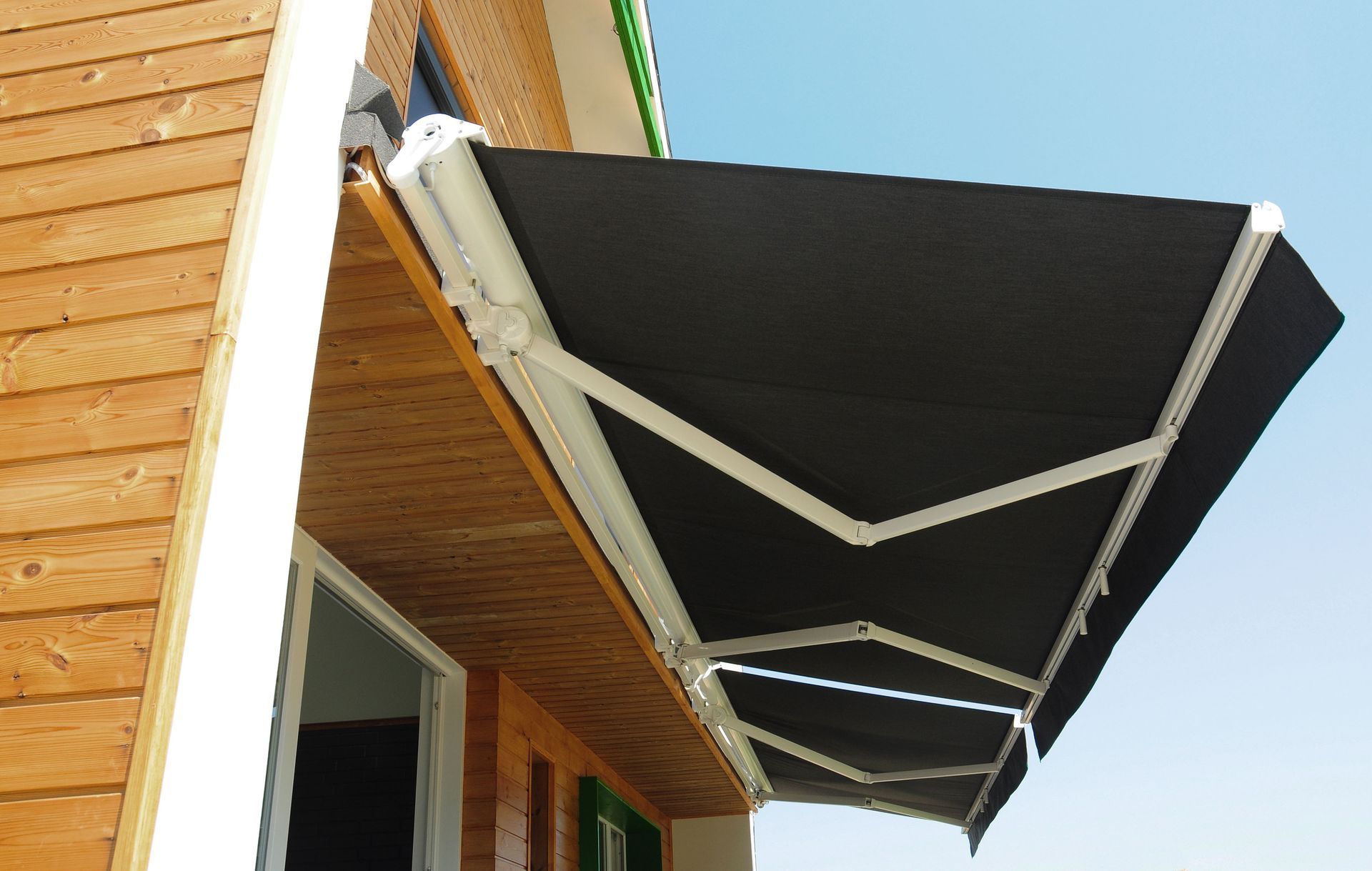
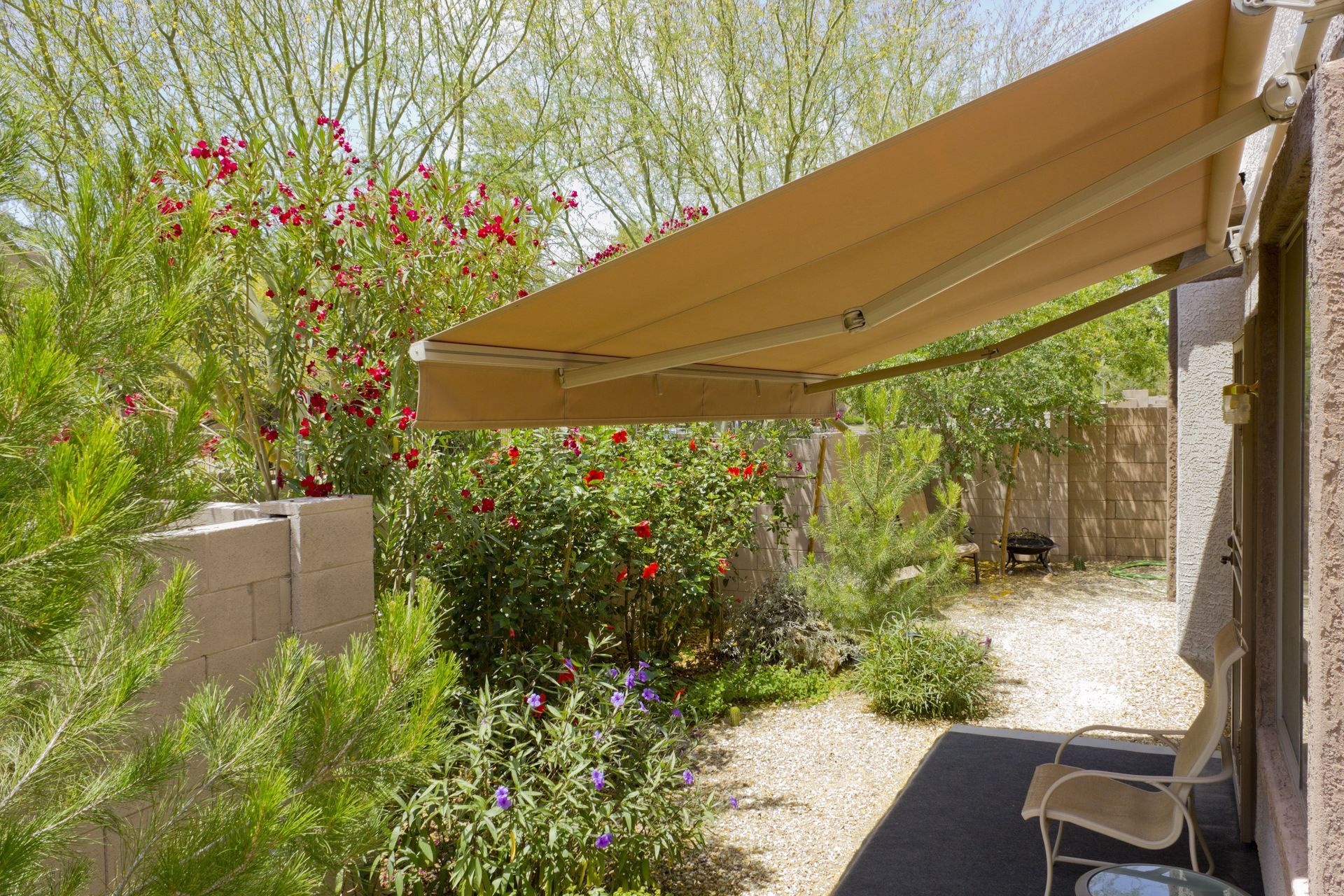
Retractable systems offer dynamic sun control by giving homeowners complete authority over their environment. These canopies deploy when shade is desired and fold back against the exterior wall when an unobstructed view of the open sky is preferred. Homeowners can select from classic manual setups operated by a smooth hand crank or automated designs driven by electric motors. High-end motorized configurations frequently incorporate wireless remotes, smart home integration, and automated sensors that react autonomously to intense sunlight or high winds. By folding away neatly, these versatile shading systems maintain clean exterior sightlines and stay protected from severe storm damage.
Evaluating the Key Varieties of Retractable Models
Retractable canopies are engineered in several distinct formats to accommodate diverse architectural facades and mounting conditions. Lateral arm systems represent the most prevalent design, utilizing folding articulated arms spring-loaded with internal cables to push the fabric outward horizontally without requiring vertical support posts. Drop arm models, on the other hand, pivot downward along a vertical arc, making them exceptionally effective for shielding windows, Juliet balconies, and compact terraces from low afternoon sun. For larger glass enclosures, skylights, and pergolas, tensioned conservatory systems glide along dedicated guide rails to deliver taut, reliable coverage across broad horizontal or angled surfaces.
Analyzing the Practical Benefits of Flexible Canopies
The primary allure of retractable covers lies in their adaptable nature, allowing outdoor spaces to transition effortlessly from sun-drenched lounges to cool, shaded dining alcoves. This adaptability extends substantial thermal benefits to the home's interior living spaces. According to the U.S. Department of Energy, retractable awnings can reduce solar heat gain by up to 77% when installed on south-facing windows, which helps lower energy costs by keeping indoor temperatures more stable. Furthermore, because these residential awnings can be retracted during periods of heavy overcast or winter months, they permit welcoming natural light and passive solar heat to enter the home when indoor warmth is welcomed.
Assessing the Operational Challenges of Retractable Frames
Despite their versatility, retractable systems carry specific limitations that property owners must evaluate before installing them. The presence of moving mechanical linkages, articulated joints, motor assemblies, and electronic sensors introduces potential points of wear over the years of frequent operation. Heavy wind gusts and accumulated snowfall present real risks to extended fabric arms, meaning that careless operation during sudden storms can cause structural deformation or torn fabric. Consequently, homeowners must remain attentive to changing weather conditions or invest in premium wind sensors that automatically trigger retraction when wind speeds exceed safe operational thresholds.
Understanding the Fundamentals of Fixed Structural Covers
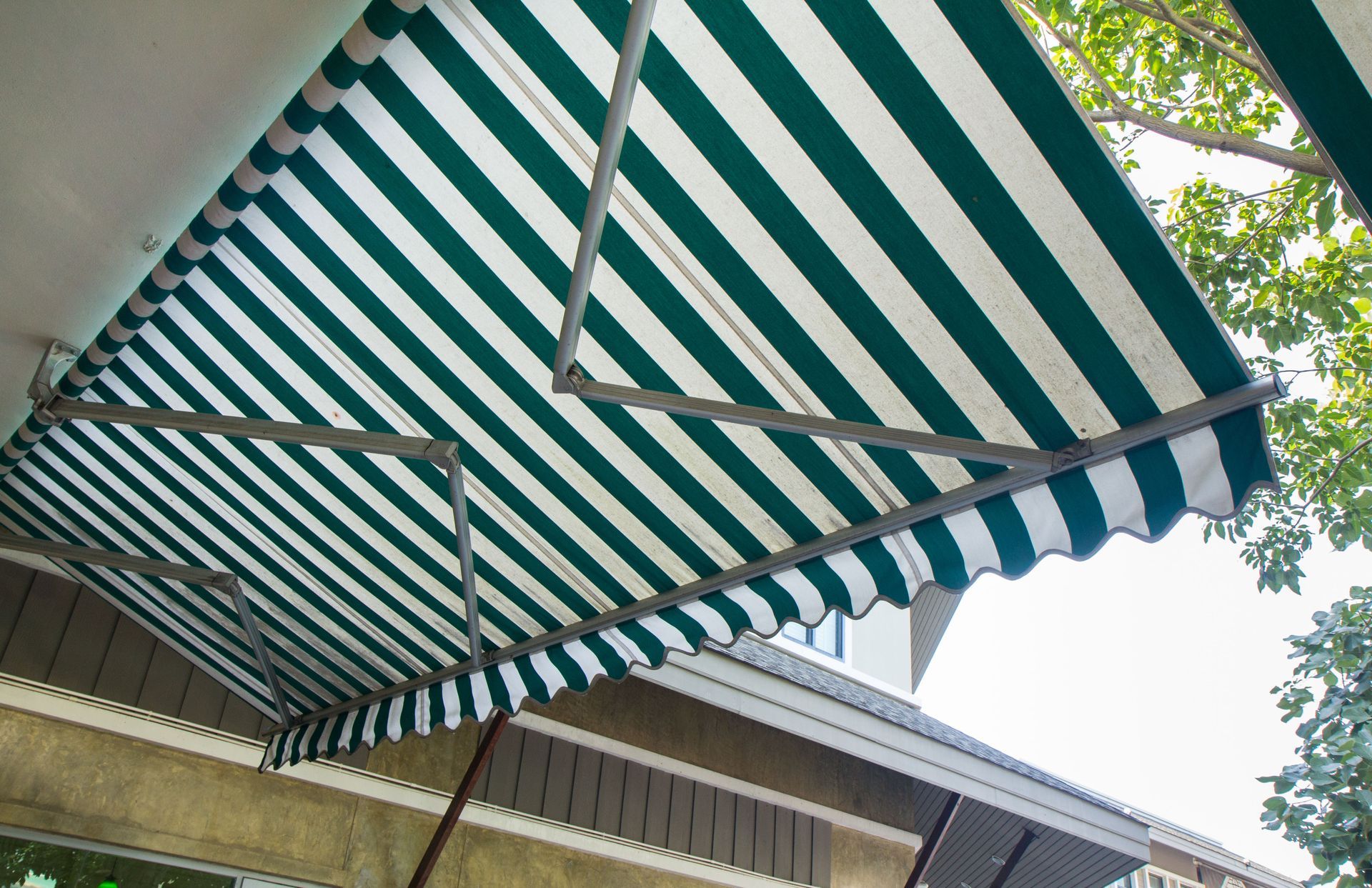
Fixed frame canopies provide an enduring, stationary shelter engineered to withstand outdoor exposure throughout every season of the year. Unlike folding models, stationary residential awnings rely on continuous, rigid frame assemblies anchored firmly to structural wall studs, exterior masonry, or ground-mounted support posts. These solid installations require no daily manipulation, hand cranking, or automated motor controls, delivering uninterrupted defense against scorching sun rays, persistent rain showers, and falling autumn debris. For families that desire dependable, hands-off weatherproofing across high-traffic backyard gathering spots, permanent structures provide an unyielding architectural solution.
Evaluating the Common Styles of Stationary Installations
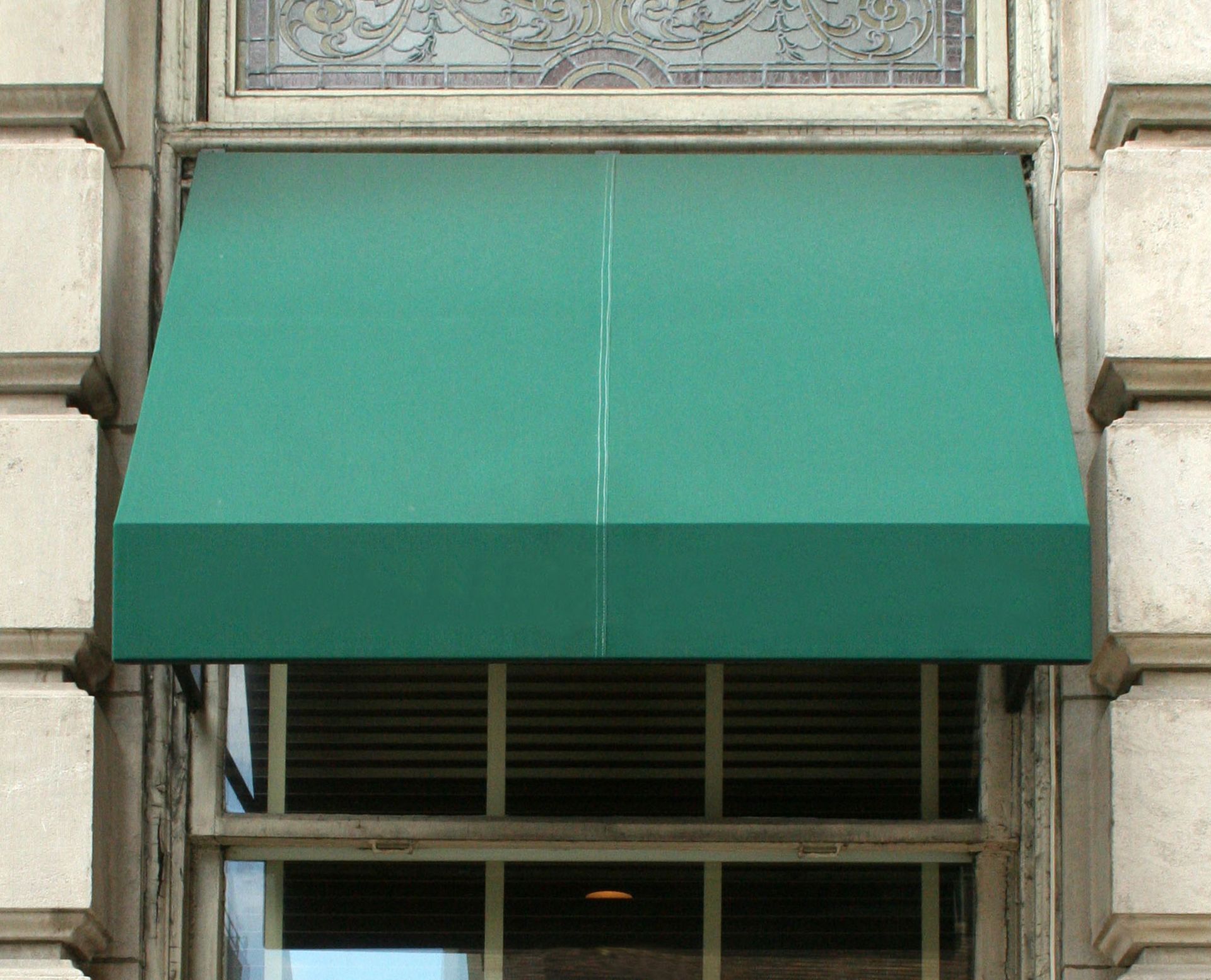
Stationary exterior canopies encompass a wide variety of silhouettes that complement both traditional and modern residential architecture. Traditional sloped or shed canopies feature a clean, angular pitch that swiftly guides rainwater away from patio doorways, windows, and perimeter walkways. Elegant dome or convex shapes introduce gentle curves that soften rigid brick or siding facades while providing outstanding structural strength against localized wind eddies. For expansive backyard dining decks or poolside pavilions, heavy-duty stationary patio canopies utilize reinforced aluminum or steel posts to support broad fabric or metal roof covers spanning hundreds of square feet.
Analyzing the Enduring Benefits of Permanent Protection
A primary advantage of permanent structures is their unrelenting durability and structural simplicity. Fabricated from industrial-grade aluminum or galvanized steel and covered with heavy vinyl, rugged canvas, or rigid metal panels, stationary residential awnings excel in environments that endure harsh, unpredictable microclimates. Because these frameworks possess no motorized components, hinges, or rolling mechanisms, the risk of mechanical breakdown is virtually eliminated. Homeowners enjoy reliable shade every hour of the day without worrying about sudden weather shifts, while patio furniture, outdoor rugs, and exterior kitchen equipment remain shielded from sun bleaching and rainfall beneath the durable roof.
Assessing the Functional Limitations of Stationary Fixtures
While stationary canopies deliver remarkable strength, their permanence represents an operational compromise for certain households. Because fixed residential awnings cannot be opened or adjusted, they permanently shade the adjoining patio and eliminate the possibility of enjoying unhindered sunlight or open evening stargazing. During dark winter months, this continuous coverage blocks valuable ambient light from penetrating nearby patio doors, often creating darker indoor living areas. Additionally, in regions subject to stringent municipal building codes or strict homeowners association guidelines, installing a permanent exterior framework may necessitate formal building permits, structural engineering reviews, and adherence to specific property setback regulations.
Comparing the Upfront Investment and Maintenance Demands
Evaluating the financial commitment of an exterior shading project requires analyzing both initial equipment costs and ongoing maintenance demands. Retractable units generally demand a higher initial financial outlay due to complex motorized systems, precision arm geometry, and electronic weather sensors. Their ongoing upkeep involves periodic lubrication of mechanical pivots, tension adjustments, and sensor checks. In contrast, fixed installations typically offer a more economical entry point for large square footage, but they require seasonal washing, frame repainting, and eventual fabric re-covering after years of constant sun exposure. Factoring in lifecycle costs ensures homeowners choose residential awnings that match their budget and lifestyle.
Choosing the Ideal Solution for Your Deck or Patio
Selecting the right canopy system ultimately hinges on how you envision using your outdoor living space and how much operational flexibility you desire. If your priority is enjoying versatile sunshine during crisp mornings while having on-demand shade for warm afternoons, a motorized retractable system delivers the ultimate convenience. If your goal is a round-the-clock shelter that stands firm through unexpected storms without requiring mechanical intervention, a permanent, stationary canopy represents an exceptional, worry-free investment. When you are ready to enhance your home with high-performance residential awnings, turn to the dedicated professionals at Thomas Awning to design, customize, and flawlessly install the perfect shading system for your deck or patio.