November 21, 2026
Remodeling priorities have evolved significantly over the past several seasons, moving away from purely decorative updates toward home improvements that deliver both visual charm and practical utility. For many homeowners, the front porch or entryway serves as the primary focal point of the home, setting the aesthetic stage for the interior while acting as the daily gateway for residents and guests alike. Because this space bridges the transition between indoor sanctuary and outdoor exposure, remodeling trends have increasingly centered on entrance renovations that enhance curb appeal while offering shelter from shifting weather patterns.
Among the various architectural enhancements gaining momentum in contemporary design, exterior shading structures are securing a prominent spot in project plans. Remodeling data underscores this growing interest in porch architecture. According to New American Funding, architectural pillars or columns made their way into 42% of renovated entryways, with nearly 30% of these exterior upgrades also integrating protective porch coverings. These figures demonstrate that modern property owners are dedicating substantial attention to structural front-of-house elements. While traditional fixed porticoes have filled this role in the past, modern homeowners are adopting more dynamic solutions to elevate their architecture.
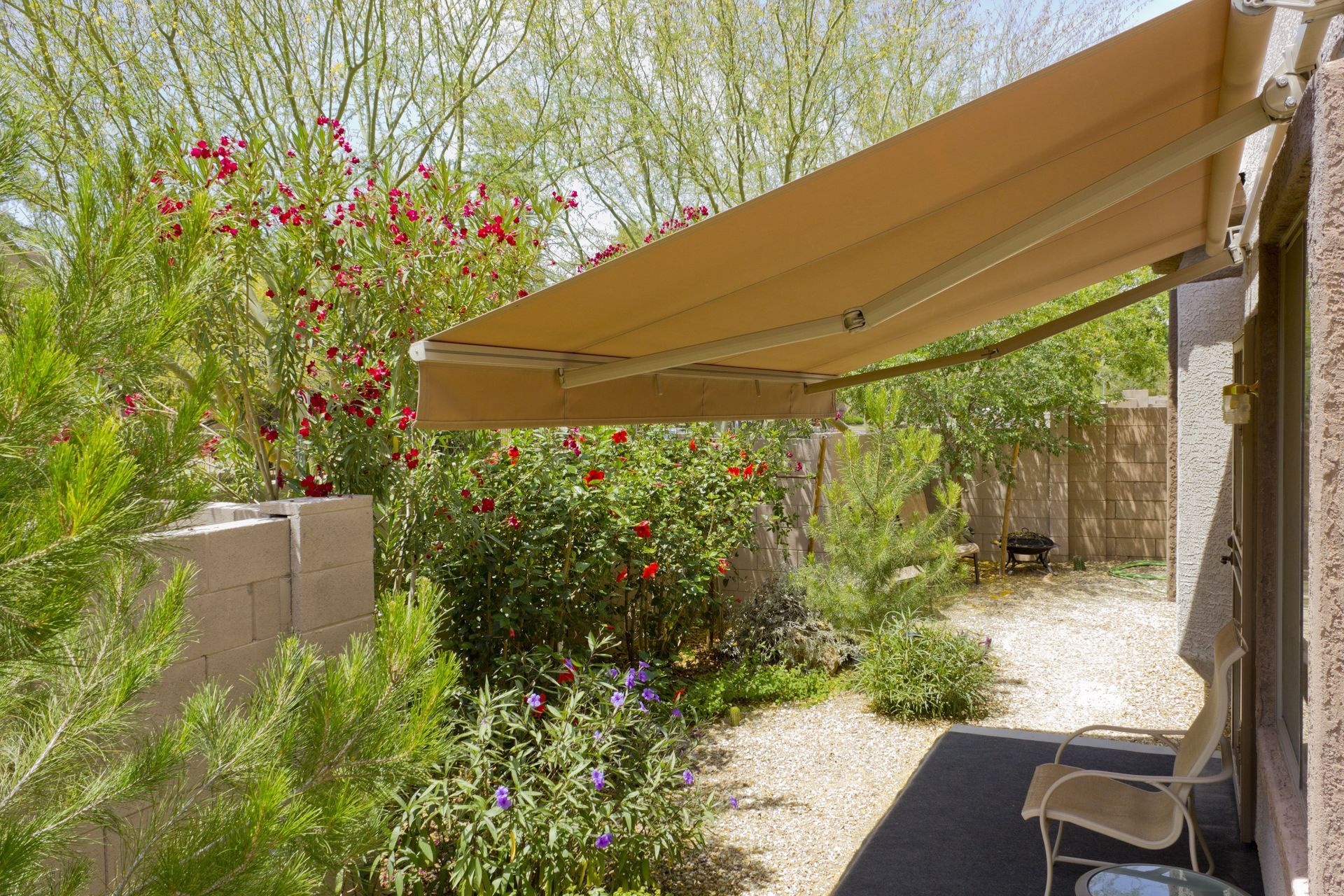
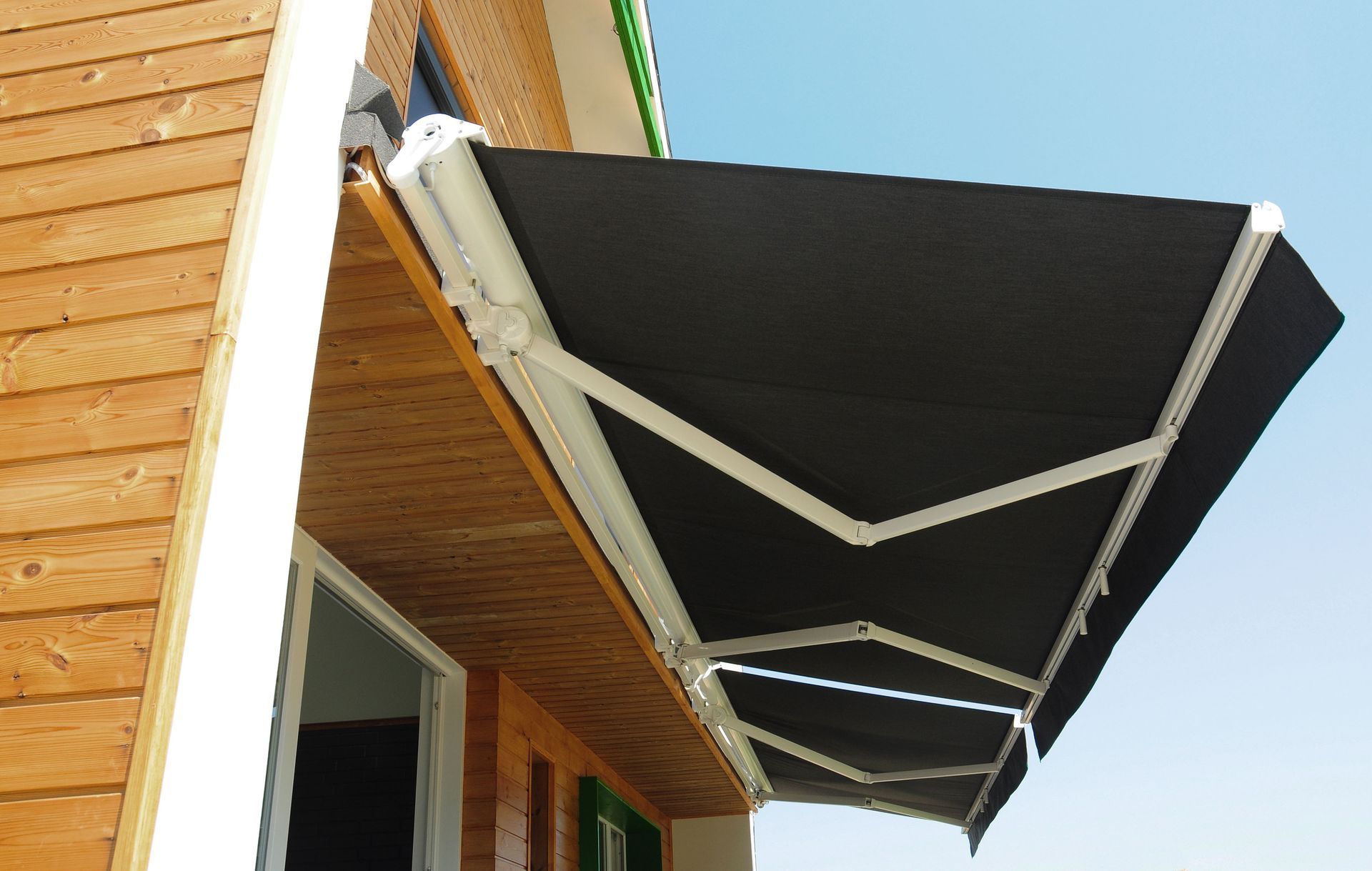
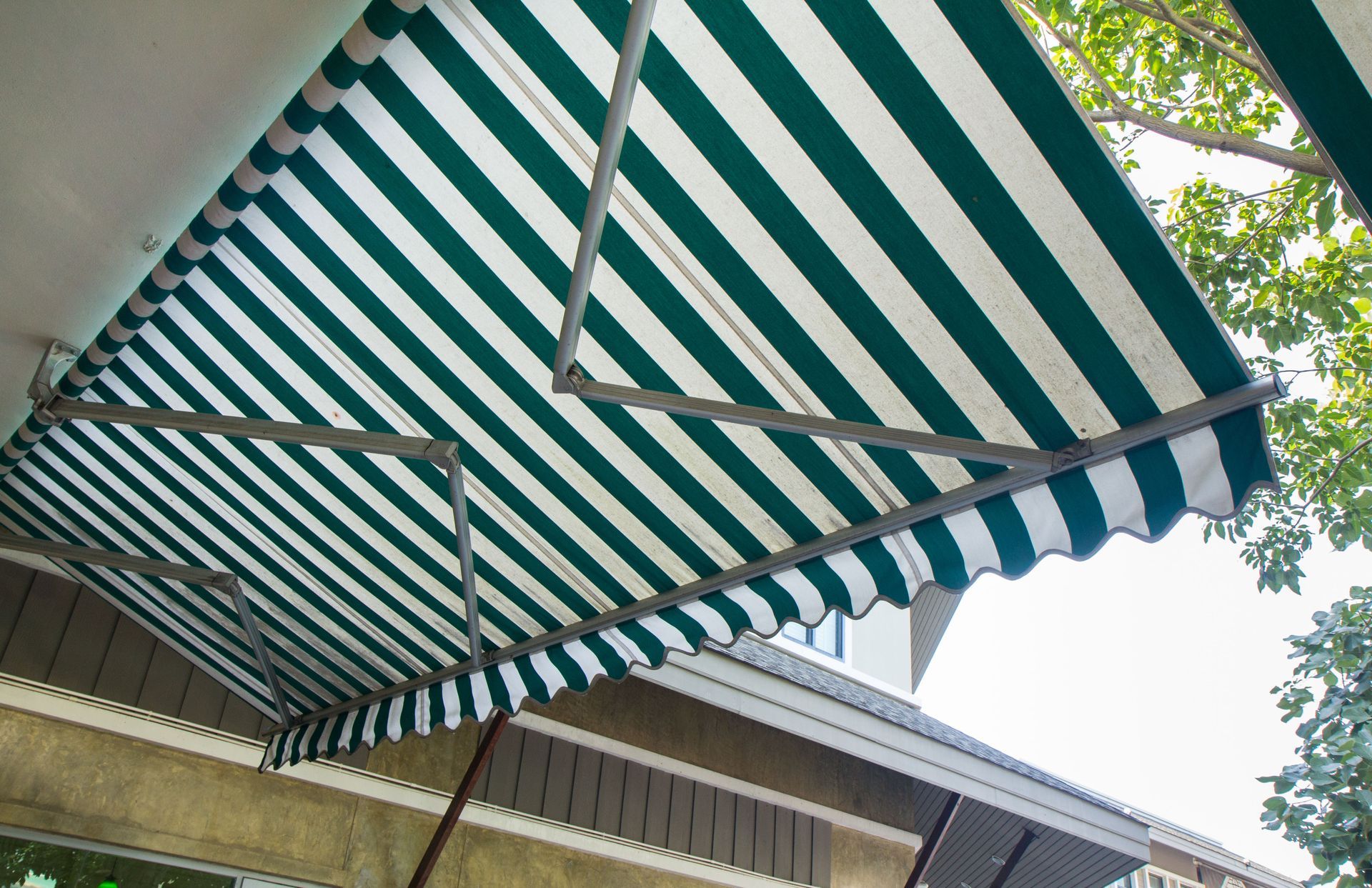
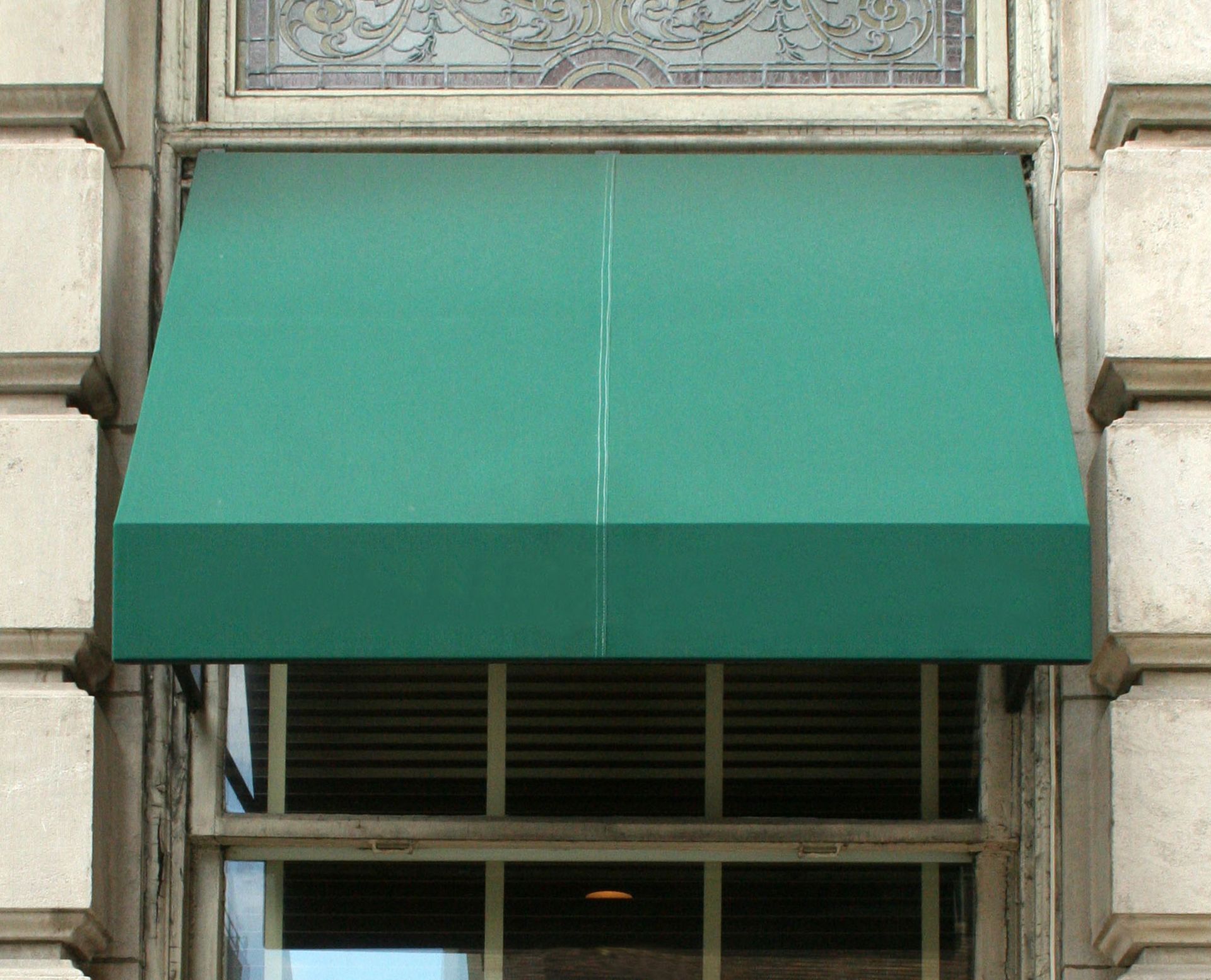
Within this wave of innovative exterior updates, entry retractable awnings have rapidly emerged as a favorite design choice for contemporary remodelers. These versatile shading features combine classic exterior elegance with adjustable functionality, allowing homeowners to adapt their entryways to whatever the forecast brings. Whether shielding a delicate front door finish from the heat of the afternoon or letting in maximum light on an overcast morning, these systems provide a level of daily control that static overhangs simply cannot replicate. As residential design continues to prioritize adaptability, energy performance, and refined curb appeal, the momentum behind these dynamic entrance features is only growing stronger.
Examining the Functional Appeal of Flexible Shading
Shielding Entryways From Inclement Weather
One of the primary motivations for adding exterior shelter over a doorway is basic defense against outdoor conditions. Rain, sleet, and sudden downpours can make entering or leaving the home an uncomfortable scramble, often resulting in wet entry floors and damp entry rugs. Installing entry retractable awnings provides an immediate overhead barrier that keeps the threshold dry and accessible. When family members return home during a storm, an extended canopy creates a comfortable staging area to shake off umbrellas, slip off wet boots, and unlock the front door without rushing. Furthermore, because the awning can be retracted during heavy winter storms or severe wind events, property owners can protect the fabric canopy from mechanical strain or snow accumulation, ensuring the fixture remains in pristine condition year after year.
Preserving Architectural Finishes and Hardware
Direct exposure to the elements takes a significant toll on exterior doors, framing, and decorative threshold materials. Wooden entry doors are particularly susceptible to swelling, warping, and finish degradation when exposed to alternating cycles of moisture and baking sunlight. High-end hardware finishes, such as polished brass, bronze, and matte black coatings, can quickly oxidize, tarnish, or fade under relentless ultraviolet exposure. By introducing entry retractable awnings to the exterior layout, homeowners effectively cast protective shade across these vulnerable investments. Reducing the volume of direct UV radiation and driving rain reaching the door helps preserve the integrity of stains, paints, weatherstripping, and decorative glass panels, ultimately maintaining the architectural character of the entrance with minimal maintenance over time.
Boosting Curb Appeal Through Adaptable Design
Enhancing Exterior Profiles With Seamless Lines
Exterior remodeling is inherently tied to visual impact, and few additions offer the architectural flexibility of dynamic overhead canopies. Unlike bulky permanent structures that can overpower smaller homes or obscure original brickwork, retractable shade designs offer a streamlined profile that complements a wide array of building styles. Whether a residence features historic craftsman details, a mid-century layout, or crisp contemporary lines, flexible canopies integrate neatly into the facade. The ability to choose clean, complementary fabric tones enables homeowners to craft an intentional visual connection between the roofline, window trim, and landscaping, creating an inviting front elevation that looks curated rather than added as an afterthought.
Adapting Facade Dynamics for Every Season
Exterior design should never be static, particularly in regions with distinct seasonal shifts. A fixed wooden porch canopy or permanent metal overhang locks a house into a single configuration throughout the entire year, which can leave a home feeling dark during dimmer months. In contrast, entry retractable awnings grant total control over how the front of the residence interacts with natural light. During bright summer afternoons, deploying the canopy creates depth, shadow, and color across the facade. When autumn and winter arrive, retracting the fabric allows natural light to bathe the entrance, keeping the doorway bright, cheerful, and visually welcoming even on the gloomiest days.
Improving Interior Comfort and Energy Efficiency
Regulating Ambient Heat at the Threshold
Windows and glass-paneled entry doors represent one of the largest sources of unwanted solar heat gain in residential structures. When hot sunlight beats against an unshaded entrance, heat quickly radiates through sidelights, transoms, and door glass into the interior foyer. This concentrated thermal transfer can cause front entry halls to feel stuffy, driving up air conditioning demand throughout the warmest parts of the day. Deploying entry retractable awnings blocks direct solar radiation before it ever makes contact with the glass surface. By halting heat gain at the building exterior, these shading fixtures help stabilize foyer temperatures and reduce thermal transfer across the building envelope.
Managing Natural Lighting and Glare
While natural light is a cherished element in residential design, unshaded midday sun can cause severe glare across wood floors, polished tile, and interior living spaces adjacent to the front hall. Furthermore, harsh sunlight streaming through untreated sidelights can slowly bleach interior rugs, entryway art, and hallway furniture. Incorporating entry retractable awnings allows occupants to modulate incoming light levels throughout the day without having to keep interior blinds permanently drawn. Homeowners can enjoy soft, ambient daylight inside their living areas while filtering out the blinding glare and ultraviolet degradation that typically accompany direct sun exposure.
Exploring Modern Controls and Daily Convenience
Streamlining Movement With Motorized Operation
Technological innovation has fundamentally changed the way homeowners interact with exterior shading. Modern shade installations frequently utilize smooth, quiet motorized systems that make extension and retraction effortless. Rather than relying on manual cranks or physical adjustments, users can deploy their exterior canopy with the touch of a button or a subtle wall switch located near the front door. This ease of use means that entry retractable awnings are actually utilized consistently rather than left idle, allowing residents to quickly adapt their home exterior to changing weather conditions in seconds.
Integrating Smart Home Weather Automation
For property owners seeking the highest standard of modern convenience, advanced sensor packages can be paired with retractable shade mechanisms. Wind sensors can automatically draw the canopy back into its protective cassette if high gusts are detected, guarding the frame against unexpected weather shifts while occupants are away from home. Similarly, sunlight and heat sensors can prompt the canopy to extend automatically during peak daylight hours, keeping the entrance shaded and cool before interior temperatures have a chance to rise. This seamless automation elevates the functionality of the home, aligning with contemporary expectations for responsive, intuitive living environments.
Selecting the Right Shade for Renovation Success
Remodeling an entryway is an opportunity to elevate a home's daily comfort, aesthetic beauty, and long-term functionality in a single project. As design trends continue to favor architectural solutions that deliver both visual polish and practical utility, dynamic exterior shading has firmly established its place in modern residential renovations. By adding versatile coverage overhead, property owners can protect their architectural investments, regulate interior comfort, and introduce sophisticated visual interest to the front elevation. Balancing the classic appeal of a welcoming porch with the precision of adjustable engineering,
entry retractable awnings provide a refined, adaptable enhancement for virtually any home design. For those seeking to bring balance, beauty, and personalized shade to their front elevation, Thomas Awning provides the expertise and craftsmanship needed to help realize that vision.