February 13, 2026
A big part of installing an awning is making sure that it remains in good condition throughout the years. Awnings are not just a functional addition to your outdoor space, but they also enhance the aesthetics and usability of your home. Longevity is a key consideration when investing in awnings, and with the right care, you can extend their life significantly. While an initial investment can seem substantial, it pays off over time with reduced maintenance and replacement costs. Here are just a few helpful tips to guide you through caring for your awning and getting the most out of your addition, with some tips from a professional awning company.
Choosing the Right Material
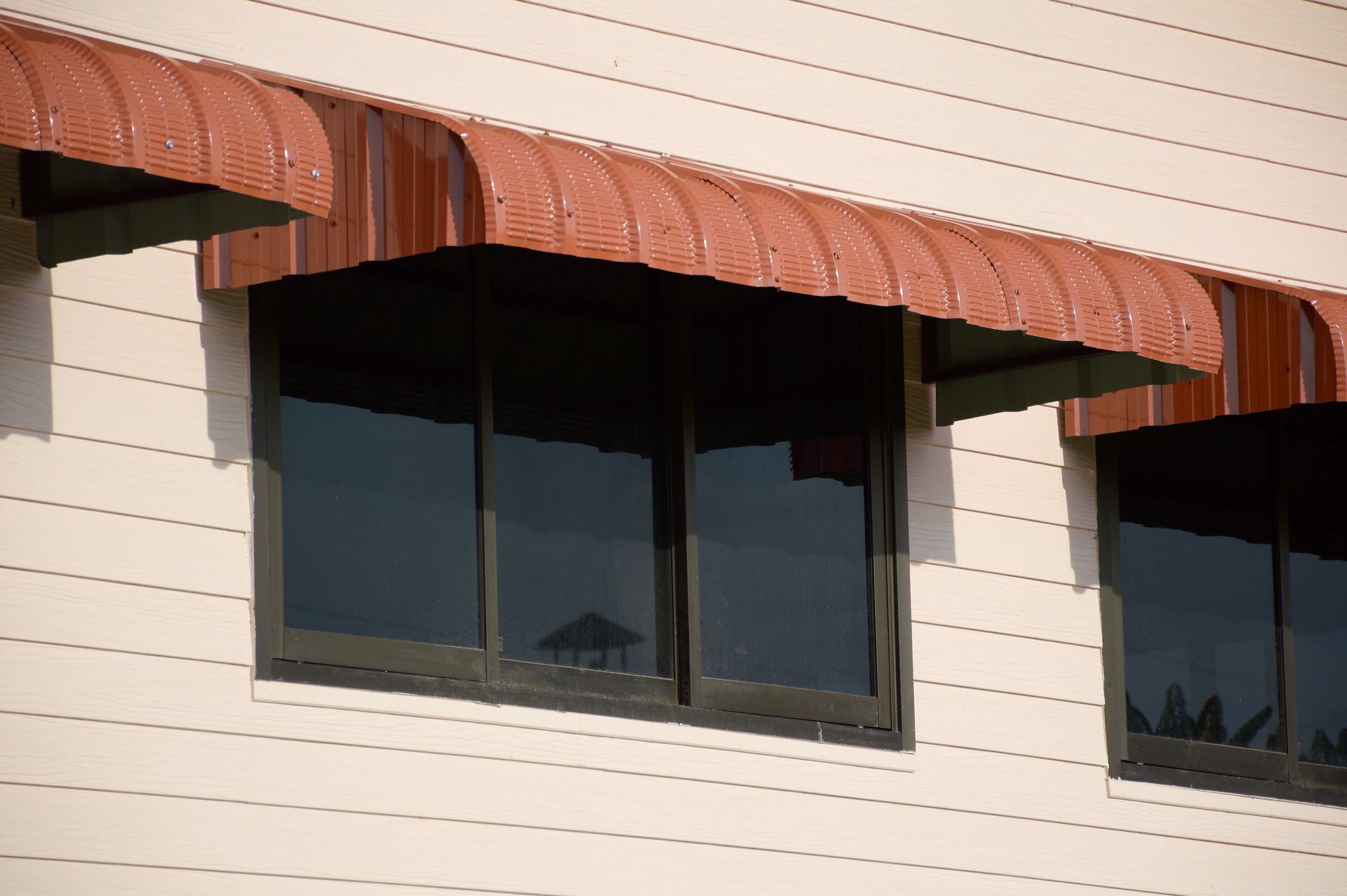
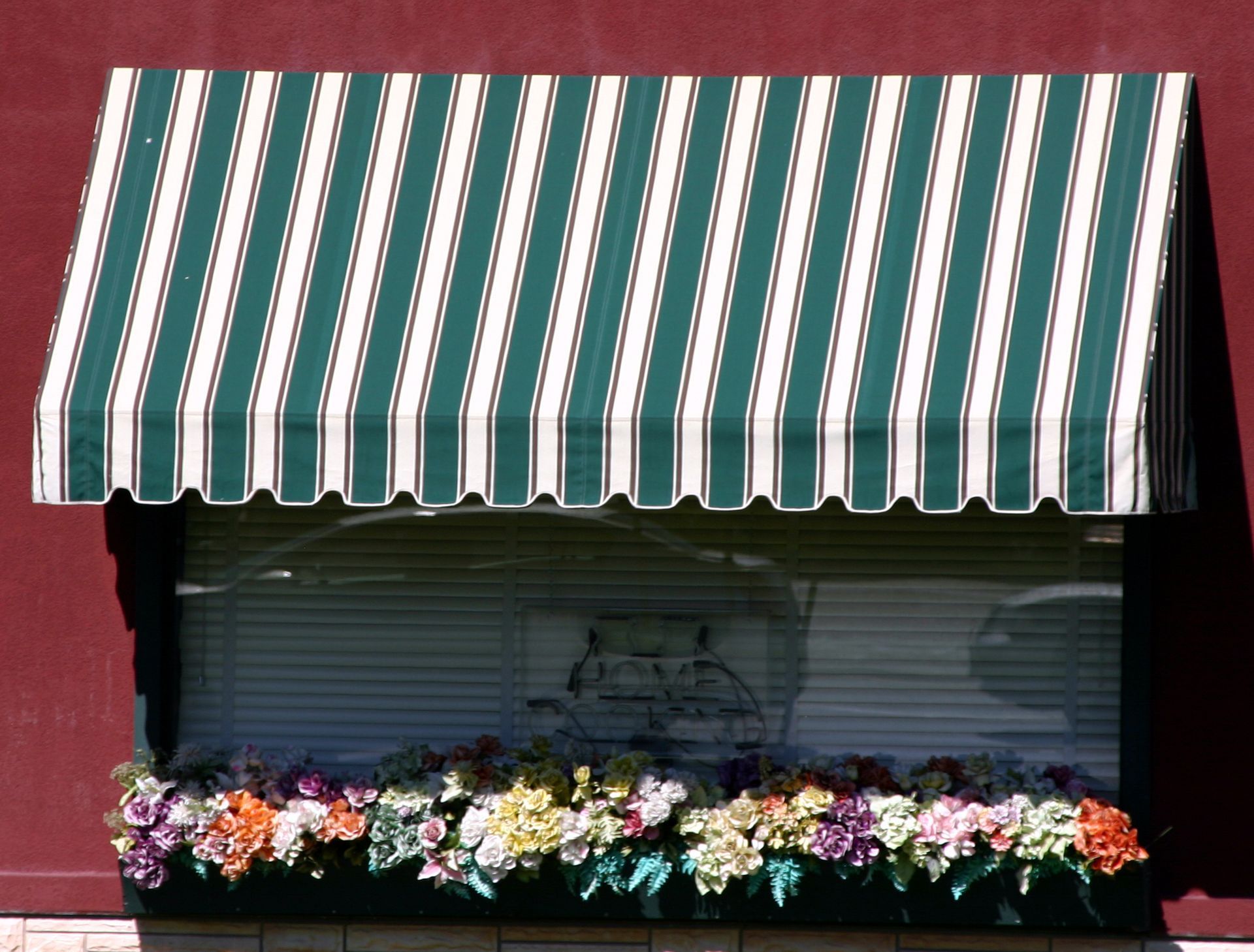
When it comes to choosing an awning, the material is a critical factor that determines its durability and longevity. Common materials include canvas, acrylic, polyester, and metal, each offering distinct benefits and drawbacks. Canvas is traditional and aesthetically appealing but may require more maintenance to retain its appearance. Acrylic is known for its ability to resist fading from sunlight, while polyester is often coated for additional protection. Metal awnings, such as those made from aluminum, offer high durability but can be more expensive, making the choice of material an essential decision based on your specific needs and budget.
Durability is a crucial consideration for any awning material, as it impacts how well the awning will stand up to elements over time. Acrylic and polyester are generally more durable than canvas, with built-in UV protection that resists the harsh sun rays. Weather conditions in your area should also help dictate your choice, as some materials fare better in windy or humid environments. As a professional awning company, we've noticed metal options, like aluminum, are more resistant to water and physical impacts, making them ideal for more challenging climates.
UV resistance is a pivotal feature in awning materials, as prolonged sun exposure can cause fading and degradation. Fabrics like acrylic are notably UV-resistant, retaining their vibrant colors even after extensive sun exposure. This resistance not only preserves the aesthetic appeal of the awning but also extends its lifespan. Most awnings, according to Home Guide, last from 5 to 15 years with proper cleaning and maintenance, and selecting UV-resistant materials is a proactive step in prolonging their durability. Hence, homeowners should prioritize fabrics specifically designed to block and reflect harmful ultraviolet rays.
Cleaning and Maintenance
Creating a consistent cleaning routine is critical in maintaining your awning's appearance and functionality. To effectively clean, establish a schedule that reflects local environmental factors such as pollen level, precipitation, and dust. Regular cleaning helps prevent the buildup of dirt and residue, which can lead to material degradation or mold formation. Setting reminders, whether bi-weekly or monthly, ensures that maintenance becomes ingrained in your home care routine.
The selection of appropriate cleaning supplies is essential to preserve the integrity of your awning material. Non-abrasive brushes, mild soaps, and specific fabric protectors are recommended to clean most awnings without damaging them. Harsh chemicals or abrasive tools can lead to tears and fading, undermining the awning's durability. It's important to consult manufacturer guidelines to identify suitable products for your particular awning type.
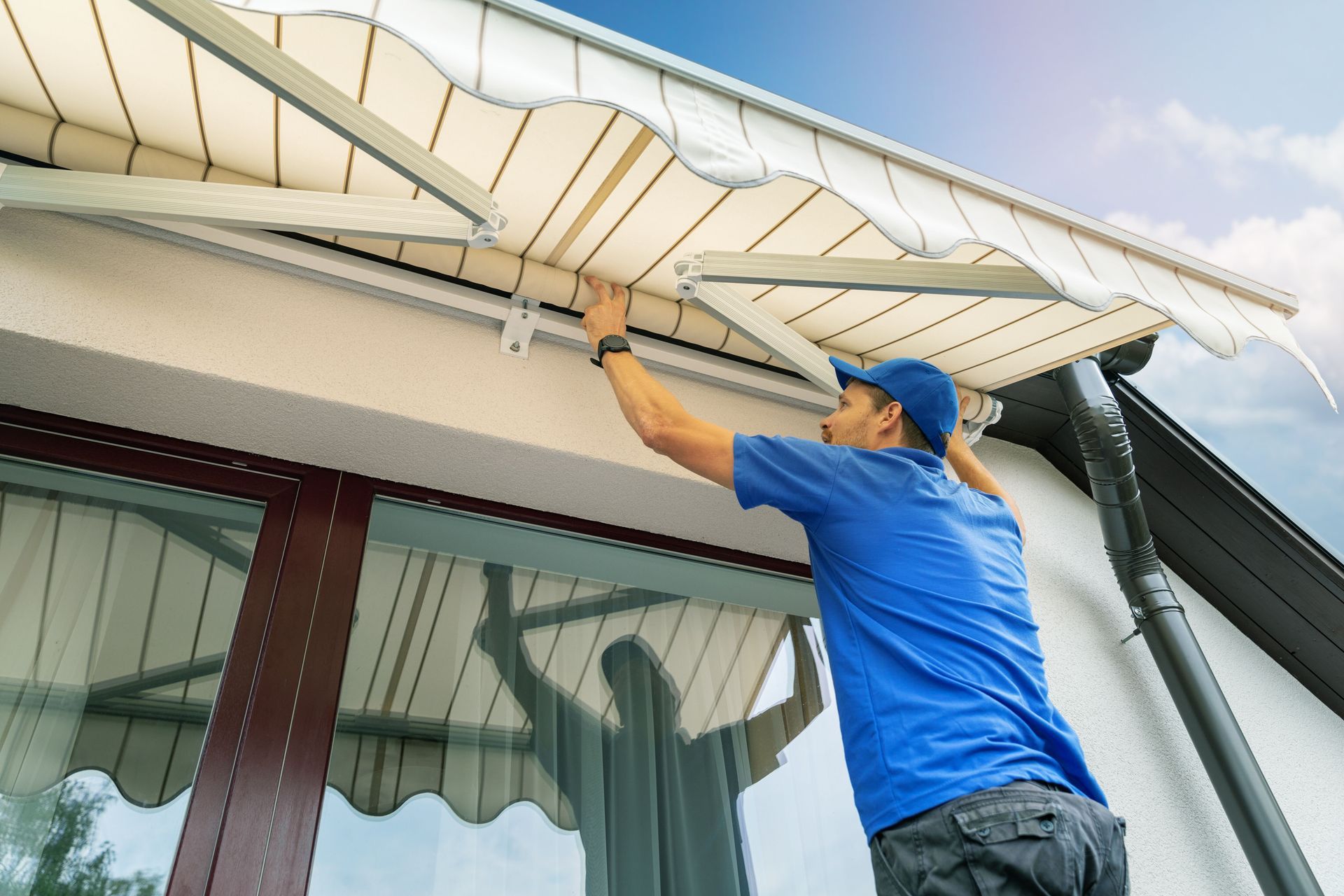
Regular inspections from a professional awning company are essential to catch minor damages before they escalate into significant issues. Look for signs of mold, which might appear as black spots, as well as any physical tears or fraying in the fabric. Early detection allows for timely repair, preventing further deterioration and potentially costly replacements. Additionally, check for any structural weaknesses in the underlying framework or mountings.
Protecting Against Weather
Adding protective coatings is a proactive measure to shield your awning from environmental damage. Fabric protectors, particularly those with UV-blocking capabilities, can enhance your awning's resistance to sun and rain. These coatings form a barrier that repels moisture, reducing the risk of mold and mildew formation over time. Such preventative care ensures not only the extended beauty of the awning but also its structural integrity over the years.
Weather shields from a professional awning company are an innovative way to augment your awning's defense against adverse weather conditions, including high winds or heavy rains. By adding an extra layer of protection, these shields prevent elements from directly impacting the awning material. They can take various forms, from detachable covers to more permanent installations that can be adjusted based on the season or expected weather patterns. Installing weather shields helps minimize wear and tear, contributing to an extended life for your awning.
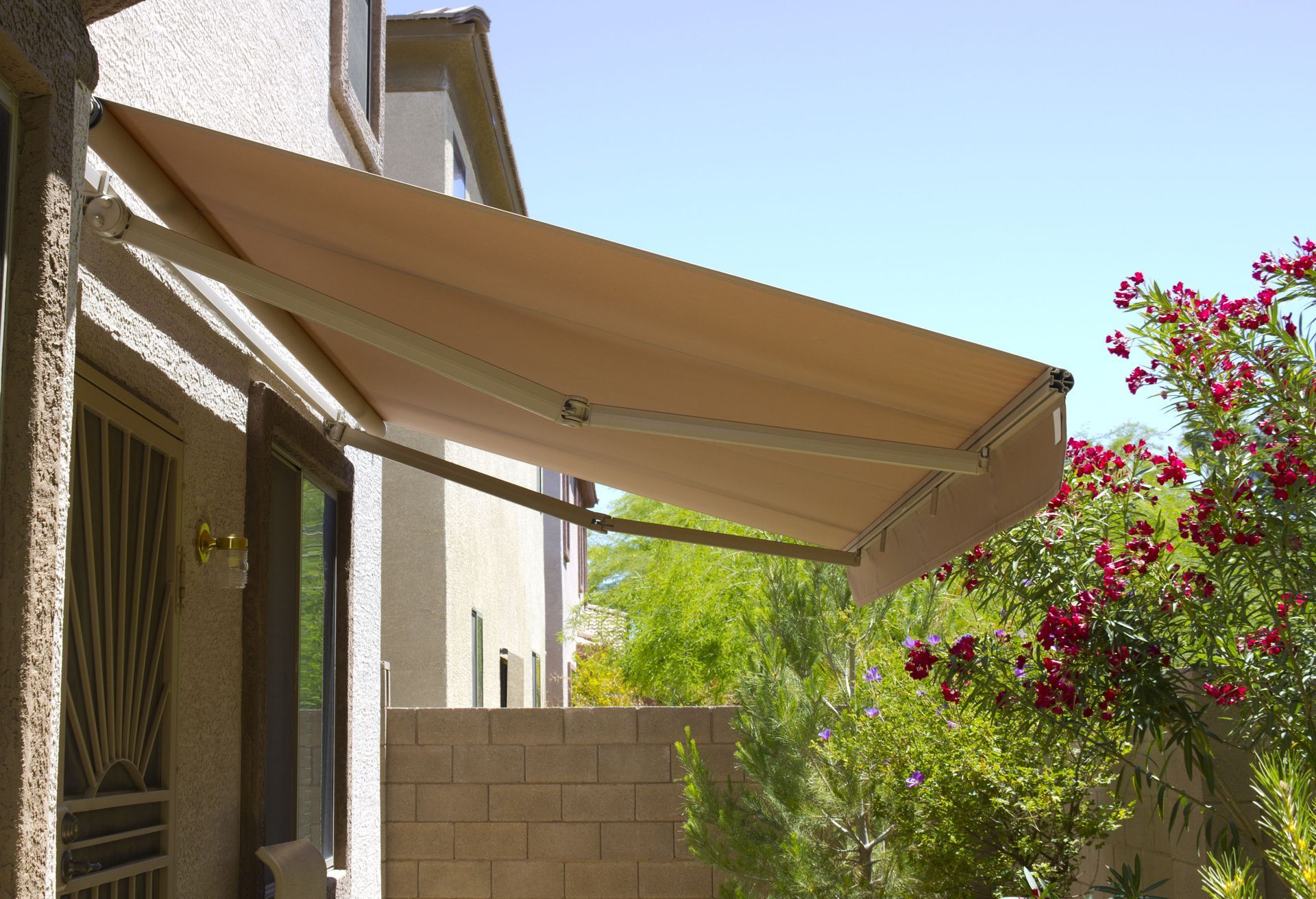
One of the most effective measures to protect your awning is retracting it during adverse weather conditions. Strong winds and heavy snow can exert excessive force on the material and framework, leading to potential damage. Retracting when not in use or when inclement weather is forecast preserves the structure and minimizes stress on the joining points. Modern retractable awnings often come with automated sensors that automatically retract in response to certain wind speeds or rain levels.
Using Your Awning Properly
Utilizing correct retraction techniques is vital to prevent undue stress on the awning's mechanics and fabric. Always follow manufacturer guidelines to ensure smooth operation when extending or retracting your awning. Improper handling can lead to misalignment, wear, or even damage to the retraction mechanism. Regular checks can ensure smooth operation, reducing the risk of sudden operational failures.
To prolong the life of your awning, it's vital to avoid overloading it beyond its designed capacity. An awning is not designed to support heavy loads or withstand significant pressure from hanging objects. Overloading can lead to bending or structural damage, reducing the awning's effectiveness and potentially voiding warranties. Familiarity with the manufacturer's weight limits ensures you employ the awning within its safe operational scope.
Knowledge of your awning's weight limits aids in proper use and maximizes its service life. These limits include not only the weight of objects the awning may support but also considerations for snow, water, and other accumulated loads. Consult the manufacturer's guidance to accurately interpret these constraints. Regular inspections help ensure you are operating within safe parameters, preventing damage from unforeseen circumstances.
Hiring Professional Help
Engaging professional cleaners can enhance the longevity and appearance of your awning, offering a thorough clean impossible to achieve with typical DIY methods. Professionals have access to specialized tools and solutions tailored to the material of your awning, ensuring a deep clean without material degradation. This method also significantly reduces the risk of damage due to incorrect cleaning techniques. Periodic professional cleaning complements regular maintenance routines, ensuring optimal condition.
Regular inspections by a professional awning company can identify potential issues before they become costly repairs or replacements. Annual or bi-annual inspections focus on the fabric's condition, framework security, and mechanical functionality. Professionals have the trained eye to catch subtle signs of wear and weakness that might be overlooked by an untrained observer. This proactive approach minimizes unexpected failures and generally extends the operational timeframe of your awning.
Expert advice provides invaluable insights into innovative tips, tricks, and techniques for the upkeep of awnings. These professionals can offer tailored recommendations, addressing specific challenges or unique environmental conditions pertaining to your location. Expert suggestions often lead to personalized maintenance routines that enhance durability and functionality. Additionally, taking advantage of manufacturer-provided resources or participating in forums can also yield useful information.
By following these practical steps, you can extend the life of your newly installed awning and ensure it remains a functional and attractive part of your outdoor space for years to come. Selecting quality materials, adding modern accessories, and committing to regular care all contribute to long-term performance. Weather awareness and proper use further protect your investment, while guidance from an experienced
awning company can help tailor solutions to your specific needs. With thoughtful upkeep and smart choices, your awning becomes a lasting asset that enhances comfort and curb appeal. Contact Thomas Awning today to get expert advice and support for your awning project.