October 26, 2026
Installing a home awning involves more than choosing a color or style. Homeowners need to consider where they want shade, how the awning will attach to the exterior, which materials suit the property, and how the structure will be used throughout the year. Evaluating these details before installation helps narrow the available options and establish realistic expectations for the project.
Residential awnings come in a range of designs, including fixed fabric awnings, retractable systems, metal awnings, and custom covers for patios, decks, windows, and entryways. Each option serves different purposes, so the right choice depends on the home's layout, outdoor living needs, and preferred appearance. Understanding the main factors involved helps homeowners make informed decisions before moving forward.
Assessing Your Home’s Shade and Weather Needs
The first step is identifying the areas where an awning would provide the most practical benefit. A window awning can shade a specific opening, while a larger cover can create a more comfortable area over a patio, porch, or deck. Entryway awnings offer another option by providing overhead coverage near exterior doors.
Consider how sunlight reaches the property throughout the day. The direction of the sun, the location of nearby trees, and the position of windows and outdoor seating all influence where shade is most useful. Homeowners who spend time outside during sunny afternoons often prioritize patios and decks, while those focused on their home's interior might consider awnings above windows exposed to direct sunlight.
Local weather conditions are equally important. Wind, rain, snow, and seasonal temperature changes influence the type of awning that suits a particular location. Fixed systems and retractable designs have different operating considerations, so the expected exposure to the elements should be part of the selection process. Retractable awnings should be retracted during harsh weather, while stationary awnings are designed for exposure to a range of weather conditions.
Comparing Awning Types and Operating Systems
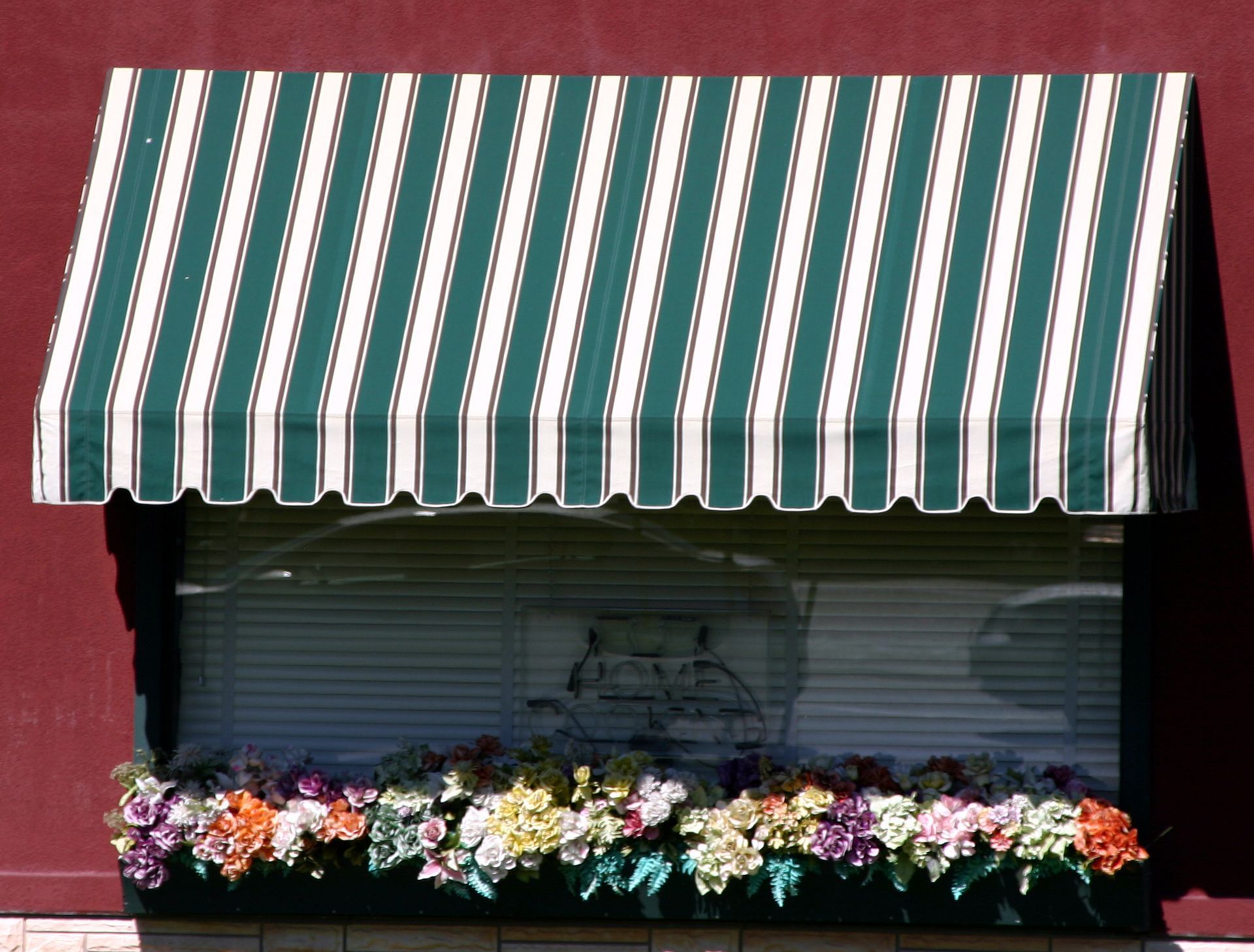
The type of awning determines how it provides coverage and how homeowners use it. Fixed awnings remain in place after installation, making them an option for windows, doors, porches, and other areas where consistent coverage is the priority. They are available in different shapes and materials, allowing homeowners to consider both functional requirements and exterior design.
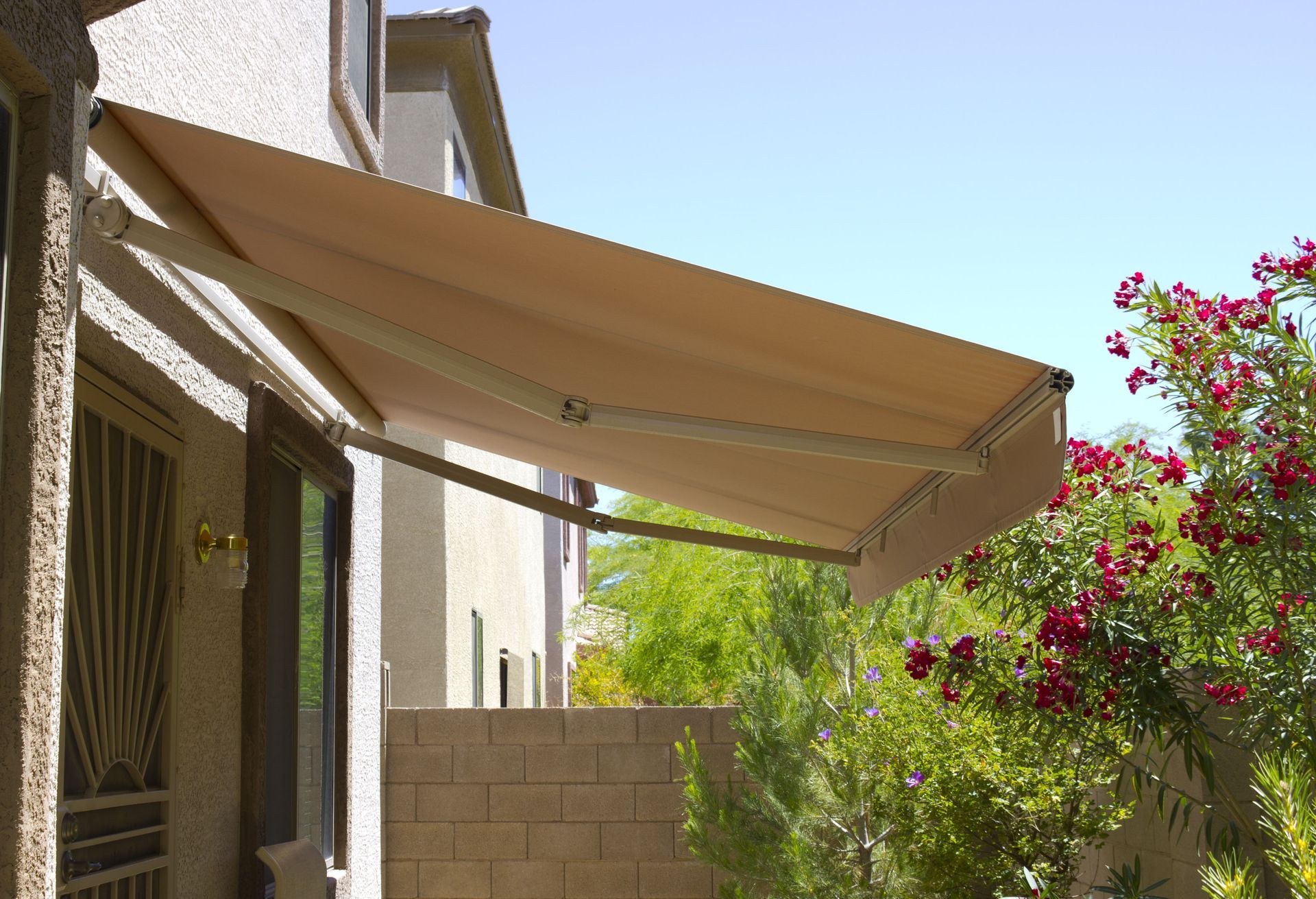
Retractable awnings provide an adjustable alternative for patios and decks. Depending on the system, homeowners can extend the awning when shade is needed and retract it when they prefer an open area. These systems are available with manual or motorized operation. Motorized options use a powered mechanism, while manual systems require the user to operate the awning directly.
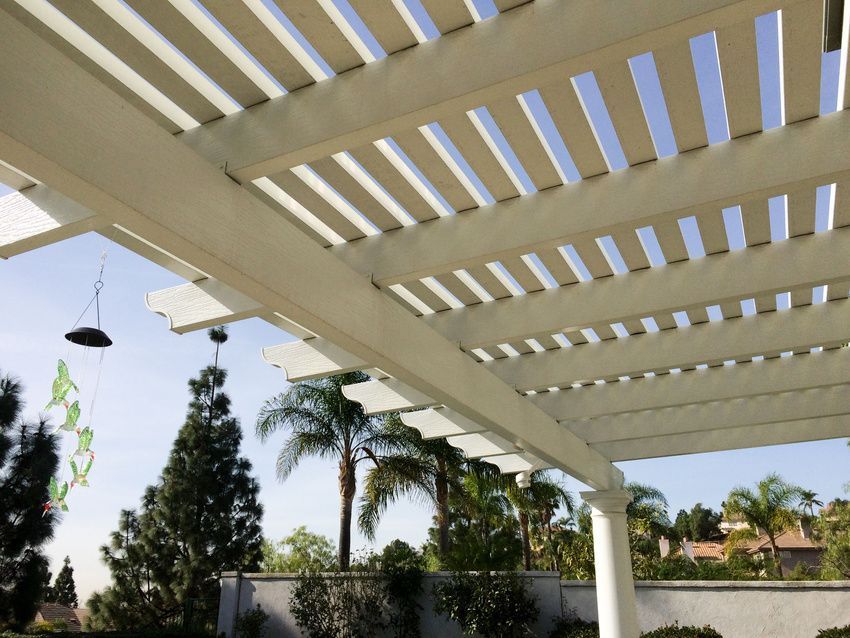
Other designs address more specific needs. Dome awnings offer a curved profile for certain windows and entrances, while drop curtains provide additional side coverage. Pergola covers are another option for outdoor spaces with an existing pergola structure. Metal awnings and rigid covers offer alternatives to traditional fabric designs.
When comparing residential awnings, think about how often the covered area will be used, whether adjustable shade is important, and how the awning will fit the existing structure. Considering these details early helps homeowners focus on options that suit their property's layout and intended use.
Selecting Materials and Exterior Finishes
Material selection affects an awning's appearance, maintenance needs, and suitability for its location. Fabric awnings offer a broad range of colors and patterns, making it easier to coordinate the cover with siding, trim, doors, and other exterior features. Different fabric options also provide flexibility for homeowners who want a particular look for a patio, window, or entryway.
Thomas Awning lists fabric options from manufacturers including Sunbrella, Sattler, and Dickson. Reviewing available materials with an awning professional helps homeowners compare colors and product characteristics before selecting a fabric for their project.
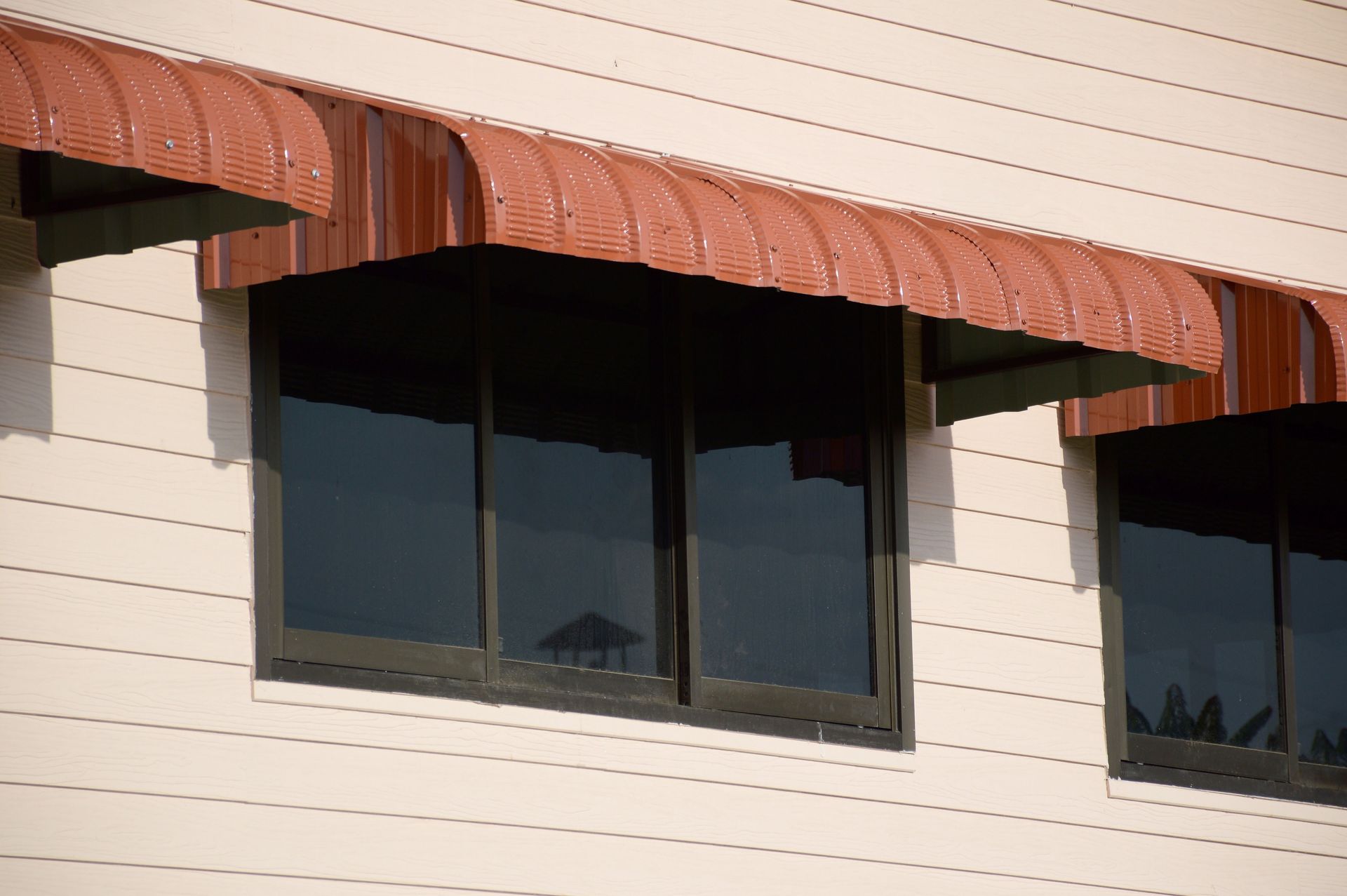
Metal awnings provide a different appearance and construction approach. Frame materials used for awning systems include galvanized steel and aluminum, with paint or powder-coat finishes available for certain applications. The appropriate material and finish depend on the design, installation location, and specifications of the system.
Appearance is another consideration. An awning can complement an existing exterior through coordinated colors, a compatible shape, and proportions suited to the building. A simple design can fit a traditional home, while a different profile or finish can suit a more contemporary exterior. Reviewing material samples and design options helps homeowners understand how the finished installation will relate to the property.
Checking Wall Space and Installation Requirements
Before choosing a design, homeowners should consider the available installation area. The wall must provide adequate space for the awning's mounting system, and doors, windows, rooflines, gutters, and other architectural features can affect placement. The size of the covered area also influences which designs are appropriate.
According to Home Stratosphere, installing an awning requires approximately 6 to 12 inches of clear vertical wall space. This measurement is a useful starting point when evaluating a potential location, but the actual requirements depend on the awning model and its mounting specifications. A professional assessment can determine whether the intended area accommodates the selected system.
The structure and condition of the mounting surface are also important. Installation planning needs to account for the building materials, mounting points, awning dimensions, and operating mechanism. Motorized retractable systems have additional equipment requirements compared with simpler designs. These details should be reviewed before the project moves into fabrication and installation.
Custom fabrication can help address differences in building layouts and design preferences. Thomas Awning provides in-house design, fabrication, and installation services for residential awnings in Maryland, Washington, D.C., and Northern Virginia. Discussing the intended location and desired coverage with an awning professional helps establish which options fit the property and its installation conditions.
Planning for Maintenance and Seasonal Conditions
Maintenance is another factor to consider before selecting an awning. Different materials and designs have different care requirements, so homeowners should understand the recommended cleaning and maintenance practices for the product they choose. Regular attention to the cover, frame, and operating components helps identify dirt, wear, or visible damage that needs attention.
Fabric awnings benefit from care appropriate to the material and the manufacturer's instructions. Homeowners should use recommended cleaning methods rather than assuming every fabric responds to the same products or techniques. Metal components and moving parts also require attention based on the system's specifications. These practices are important for maintaining residential awnings over time.
Seasonal conditions can influence how an awning is used and maintained. Retractable systems should be operated according to manufacturer guidance and retracted during harsh weather. Fixed systems remain in place, so their suitability for the installation location and expected weather exposure should be considered before selection.
Homeowners should also ask about available service options. Thomas Awning offers seasonal re-hanging services and cleaning, which are relevant considerations for people evaluating the ongoing care of their awning. Understanding maintenance expectations before installation helps homeowners choose a system that aligns with how they plan to use and care for it.
Choosing an Awning That Fits Your Home
A successful awning project begins with matching the design to the property rather than choosing an option based on appearance alone. Shade requirements, operating preferences, materials, available wall space, weather exposure, and maintenance all contribute to the decision. Reviewing these factors together helps homeowners compare options based on their intended purpose and installation conditions.
It is also useful to consider the project's timeline and service details before proceeding. Thomas Awning reports that installations typically take about four weeks, although timing depends on the project. The company also provides a one-year workmanship warranty and a 10-year fabric warranty. Homeowners should confirm the terms that apply to their selected system and discuss project-specific details during the consultation.
Residential awnings can provide coverage for windows, entrances, patios, decks, and other outdoor areas when the design is suited to the location. Comparing available styles and discussing installation requirements with an experienced professional helps clarify which option fits the home's layout and the homeowner's priorities. Contact Thomas Awning to schedule a free consultation and discuss custom awning options for your home.