August 7, 2026
When choosing a residential awning company, asking the right questions is essential for achieving a successful installation. The answers can reveal important details about the provider's experience, products, installation process, customer service, and long-term support. Because an awning can influence both the appearance and functionality of your home's exterior, careful research before signing a contract can help protect your investment. Homeowners should consider factors such as material quality, customization, warranties, scheduling, and pricing rather than making a decision based solely on cost. Taking time to compare providers can lead to an awning that complements the home, creates comfortable outdoor space, and performs reliably for years.
1. How Long Has Your Company Been in the Awning Business?
Understanding how long an awning provider has been in business offers valuable insight into its experience and reliability. An established residential awning company has likely completed a wide variety of projects and encountered different architectural styles, installation challenges, and customer requirements. Years of operation may also indicate that the business has developed dependable processes for measuring, designing, ordering materials, and completing installations. Ask how long the company has specialized specifically in residential awnings rather than assuming general construction experience translates directly to this type of work.
Reputation should be considered alongside experience. Reviews, testimonials, professional affiliations, and industry recognition can provide additional evidence about service quality. Look for consistent comments regarding communication, workmanship, punctuality, and responsiveness after installation. Awards and professional recognition may also demonstrate an ongoing commitment to training, product knowledge, and high standards. While longevity alone does not guarantee excellent service, combining experience with a strong history of positive customer feedback can make a provider easier to evaluate.
2. What Types of Awnings Do You Offer?
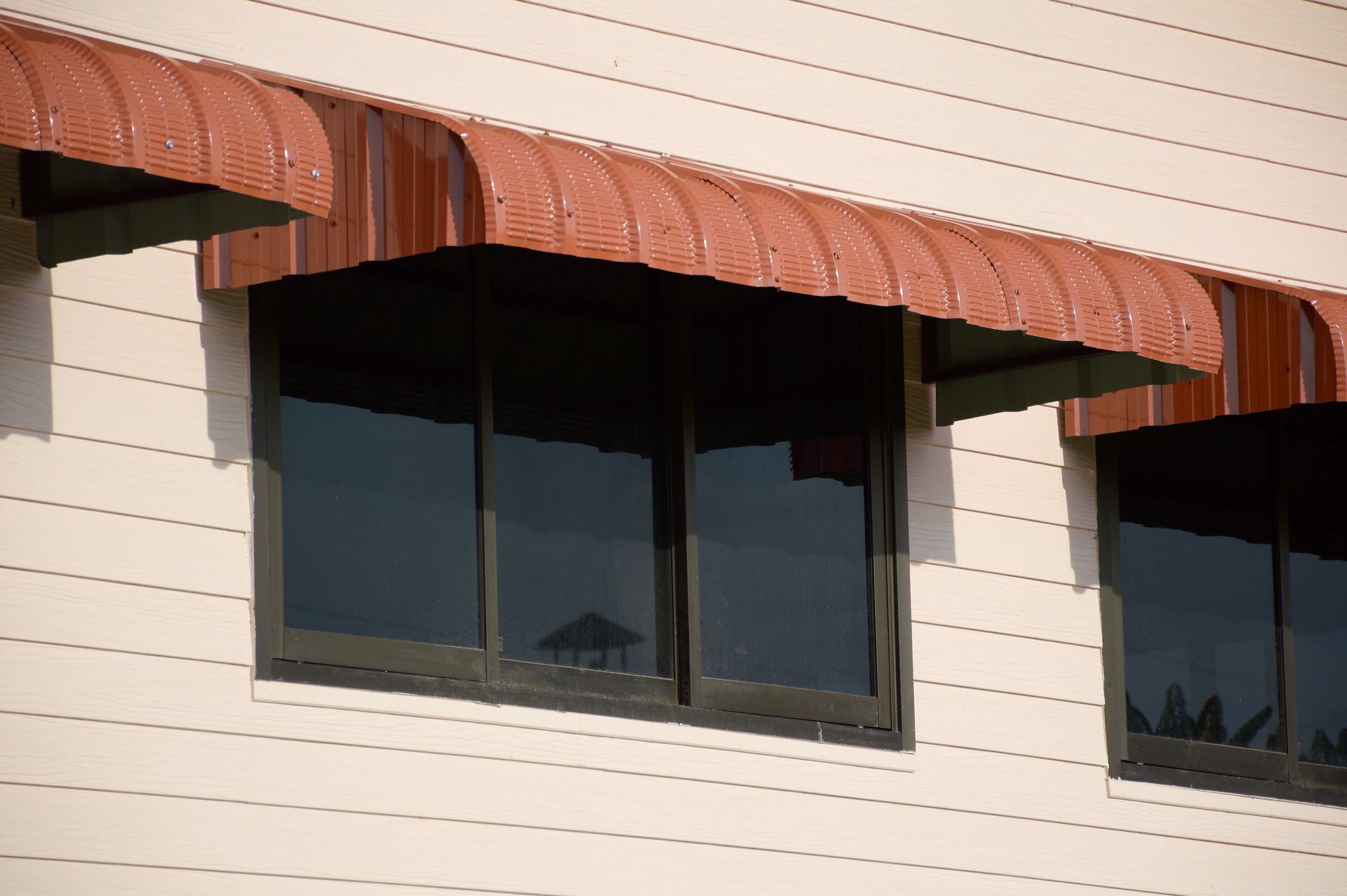
A qualified residential awning company should be able to explain the different products available and recommend options based on your property. Common choices may include fabric, canvas, aluminum, retractable, and fixed awnings. Each material and configuration offers different advantages regarding appearance, durability, weather protection, and maintenance. Homeowners should ask how each option performs under local conditions, particularly if the area experiences strong sunlight, rain, wind, or seasonal temperature changes.
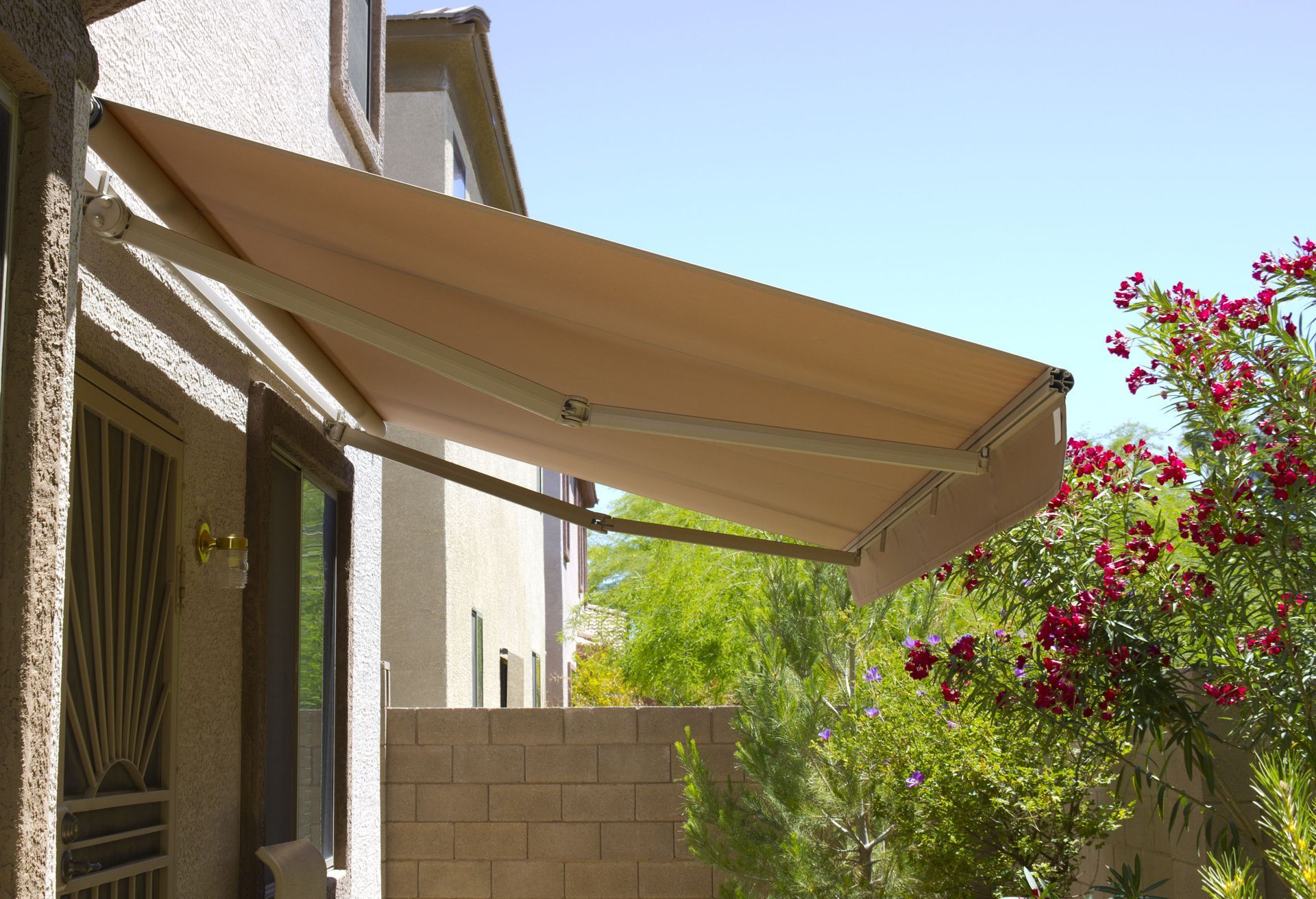
Retractable and stationary models are particularly important to compare. Retractable designs provide flexibility by allowing homeowners to adjust the amount of sunlight and shade over patios, decks, windows, or outdoor seating areas. According to Straits Research, installing retractable awnings can increase a property's resale value by an estimated 2% to 5% by improving curb appeal and expanding usable outdoor space. Stationary models remain in place and may provide dependable, continuous coverage where flexibility is less important.
3. What Customization Options Are Available?
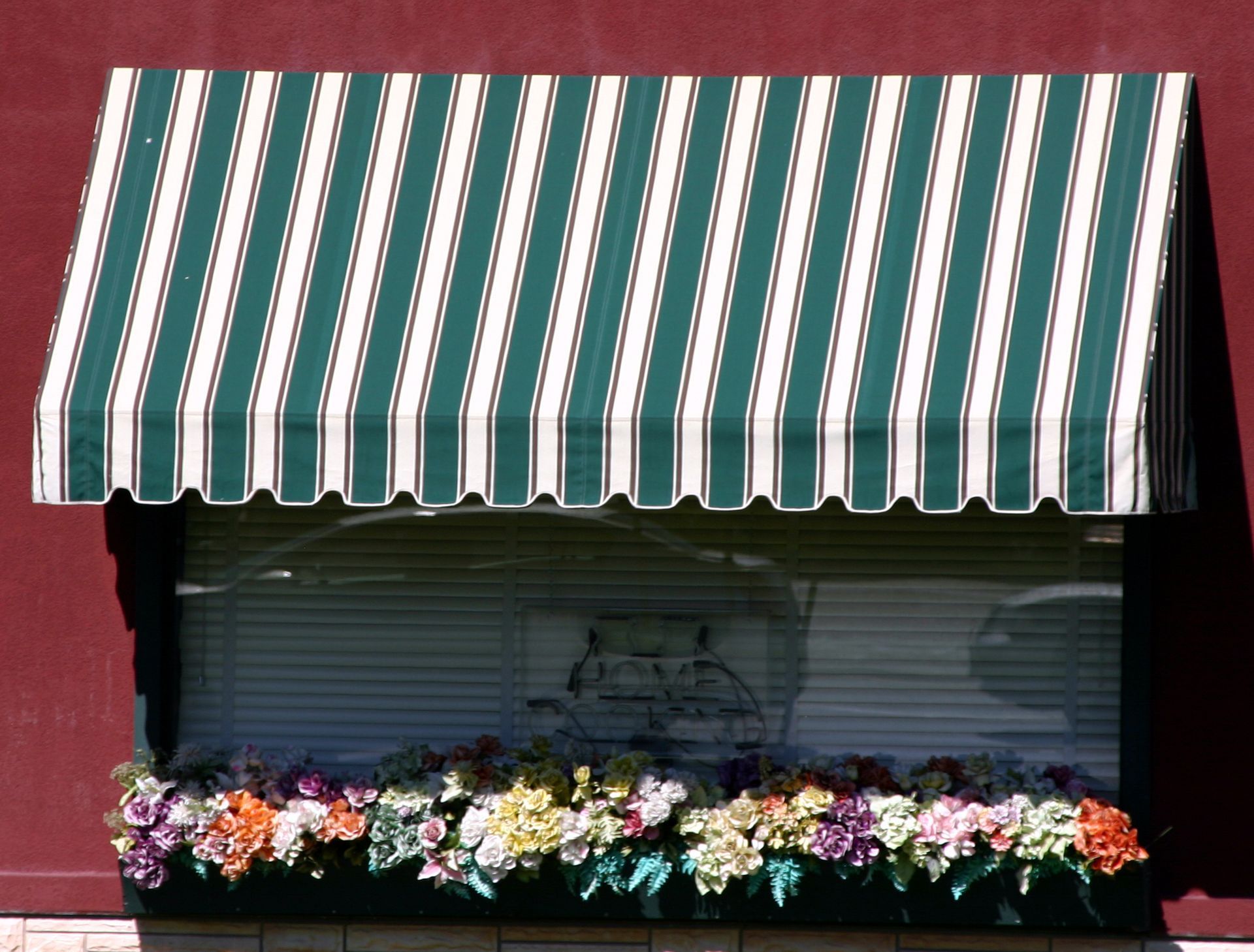
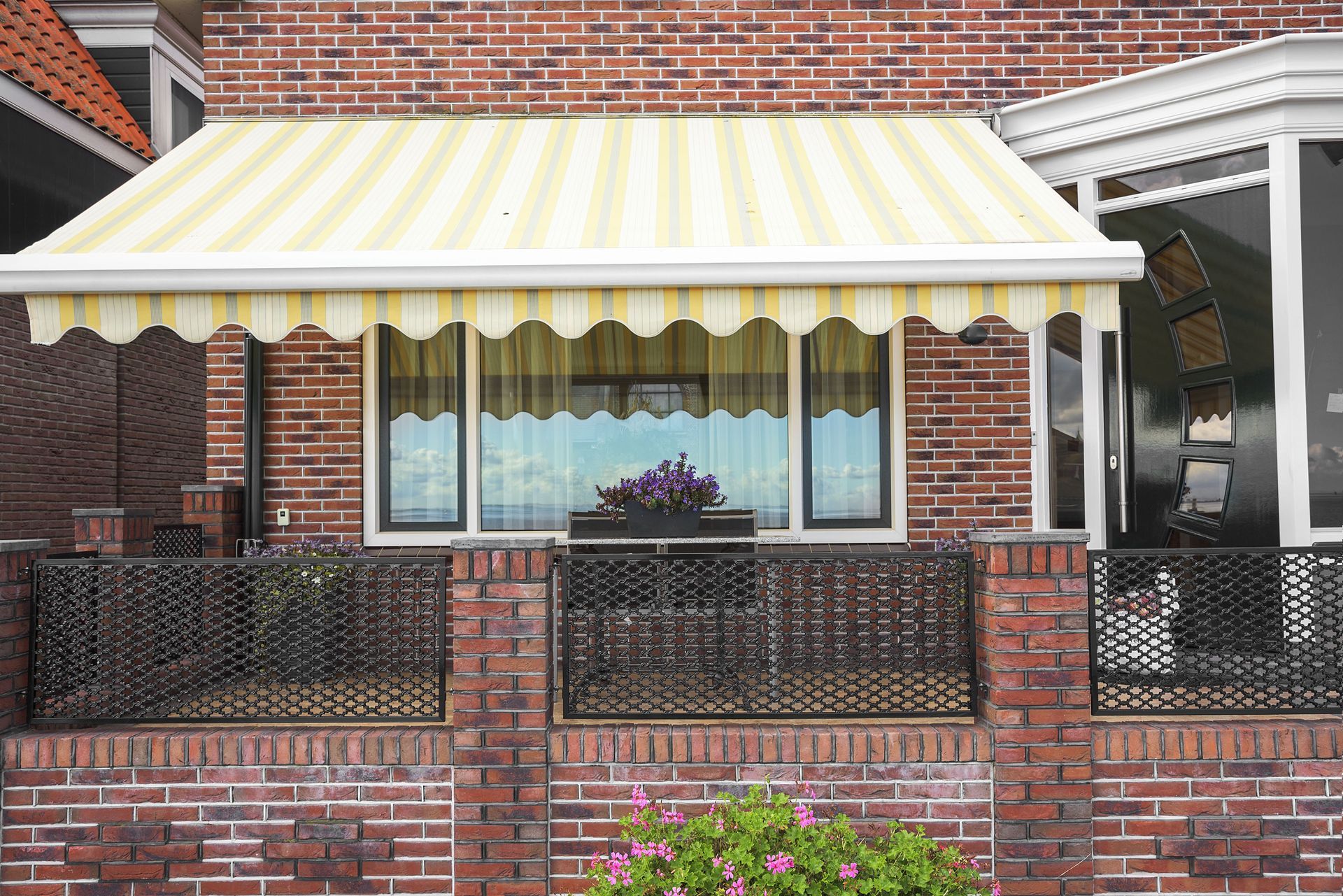
Customization can make the difference between an awning that simply provides shade and one that looks like an intentional part of the home's exterior. Ask about available fabrics, colors, patterns, frame finishes, dimensions, valances, and operating systems. A residential awning company should be able to explain how different design decisions coordinate with siding, trim, roofing, windows, doors, and existing outdoor features. Seeing material samples before making a final choice can help homeowners understand how colors and textures will appear in natural light.
Function should remain equally important when selecting a custom design. Consider the direction the area faces, typical sun exposure, desired coverage, and how the outdoor space is normally used. Motorized retractable systems may provide convenient operation, while manual systems can offer a simpler alternative. Some products may also support wind, sun, or weather sensors. Discussing these possibilities during the design stage helps ensure that customization enhances daily usability rather than focusing exclusively on appearance.
4. What Is Your Warranty and Maintenance Policy?
The warranty offered by a residential awning company can indicate how strongly the provider stands behind its products and workmanship. Ask how long coverage lasts, what components are included, and whether the fabric, frame, motor, controls, and installation labor carry separate warranties. Homeowners should also determine what circumstances could void coverage. Having these details in writing prevents confusion later and makes it easier to compare proposals from different businesses.
Maintenance requirements should also be discussed before installation. Different materials may require occasional cleaning, inspection, lubrication, or seasonal care. Ask whether the company offers maintenance services and what homeowners can safely handle themselves. Understanding how stains, debris, mildew, minor wear, or mechanical problems should be addressed can help extend the life of the system. Providers should also explain how repairs and replacement components are handled if damage occurs after the original installation.
5. Can You Provide References and Project Examples?
References from previous customers can offer valuable information that may not appear in marketing materials. A reliable residential awning company should be comfortable providing testimonials, photographs, portfolios, or examples of completed projects. When possible, look for installations on homes that resemble yours in architecture, size, or intended use. Project examples help demonstrate the provider's ability to adapt awning designs to different environments while maintaining appropriate proportions and visual appeal.
Customer feedback can reveal details about communication, installation quality, cleanliness, professionalism, and after-sales service. Ask former clients whether the project was completed according to the agreed schedule and budget and whether any problems were resolved efficiently. Online reviews can be useful as well, particularly when patterns emerge across multiple customers. Evaluating several sources of feedback produces a more balanced picture than relying on a single testimonial or rating.
6. What Is the Estimated Installation Timeline?
Understanding the expected timeline helps homeowners coordinate the project with other exterior improvements and household plans. Ask how long measurements, product ordering, fabrication, permitting, and installation normally take. The residential awning company should explain which portions of the schedule are within its control and which may depend on manufacturers, suppliers, local requirements, or weather. A clear schedule establishes expectations before work begins and gives homeowners a better understanding of each project phase.
Potential delays should also be discussed. Weather, material availability, custom fabrication, and unexpected structural conditions may alter the original schedule. Experienced providers should communicate changes promptly rather than leaving homeowners uncertain about progress. When multiple exterior projects are planned, coordinating timelines can prevent contractors from interfering with one another. Proper scheduling is especially valuable when awnings must be installed around siding, roofing, windows, patios, or other recently completed improvements.
7. How Will the Awning Be Installed?
Installation quality directly affects performance, appearance, and longevity. Ask how the mounting location will be evaluated and how installers determine whether the existing structure can support the selected system. The installation team should consider attachment points, wall materials, clearances, drainage, and the size and weight of the awning. Proper measurements are particularly important for custom products because errors discovered after fabrication may be difficult or costly to correct.
Homeowners should also ask whether the installation crew consists of company employees or subcontractors and whether the workers are properly trained for the products being installed. Discuss how the work area will be protected and cleaned when the project is completed. A professional installation process should minimize unnecessary disruption while ensuring the finished system operates properly. Before installers leave, homeowners should receive instructions covering operation, maintenance, safety, and any important limitations.
Ultimately, choosing the right team can make the entire process easier from the first consultation through installation and future maintenance. A dependable residential awning company will help homeowners evaluate their property, understand available options, and select a system that balances comfort, appearance, durability, and budget. Careful preparation before signing an agreement can help ensure the finished awning becomes a practical and attractive enhancement to the home for years to come. Contact our team at Thomas Awnings today and learn more about our awning services.