August 4, 2026
Creating a comfortable, stylish, and functional outdoor living space is a top priority for many homeowners. Installing residential awnings is one of the most effective ways to enhance your home's exterior while providing much-needed shade during hot summer days. With a wide variety of materials, designs, and operating mechanisms available today, finding the right fit for your property requires careful thought. By evaluating your specific shade needs, architectural style, and budget, you can make an informed decision that adds long-term value to your household. Taking the time to explore your choices ensures you select a solution that complements your lifestyle and withstands the elements for years to come.
Choosing the best residential awnings involves understanding how different features function in various weather conditions. Beyond mere aesthetics, these outdoor structures serve as functional additions that protect your furniture, reduce indoor cooling costs, and expand your usable living area. Whether you want to cover a small back porch, a sprawling deck, or individual windows, knowing what options exist helps streamline your shopping process. By keeping key selection factors in mind, you can transform your yard into a refreshing retreat that your family and guests will enjoy throughout the season.
Assess Your Outdoor Space and Coverage Requirements
Before purchasing residential awnings, take a close look at the exact area you wish to shade. Measure the dimensions of your patio, deck, or windows to determine how much overhead projection you require throughout the day. Consider the angle of the sun at different hours, as this influences where shadows fall and how much protection you actually receive. Factoring in overhead obstructions like low-hanging tree branches, roof gutters, or exterior lighting fixtures will also prevent installation complications later on.
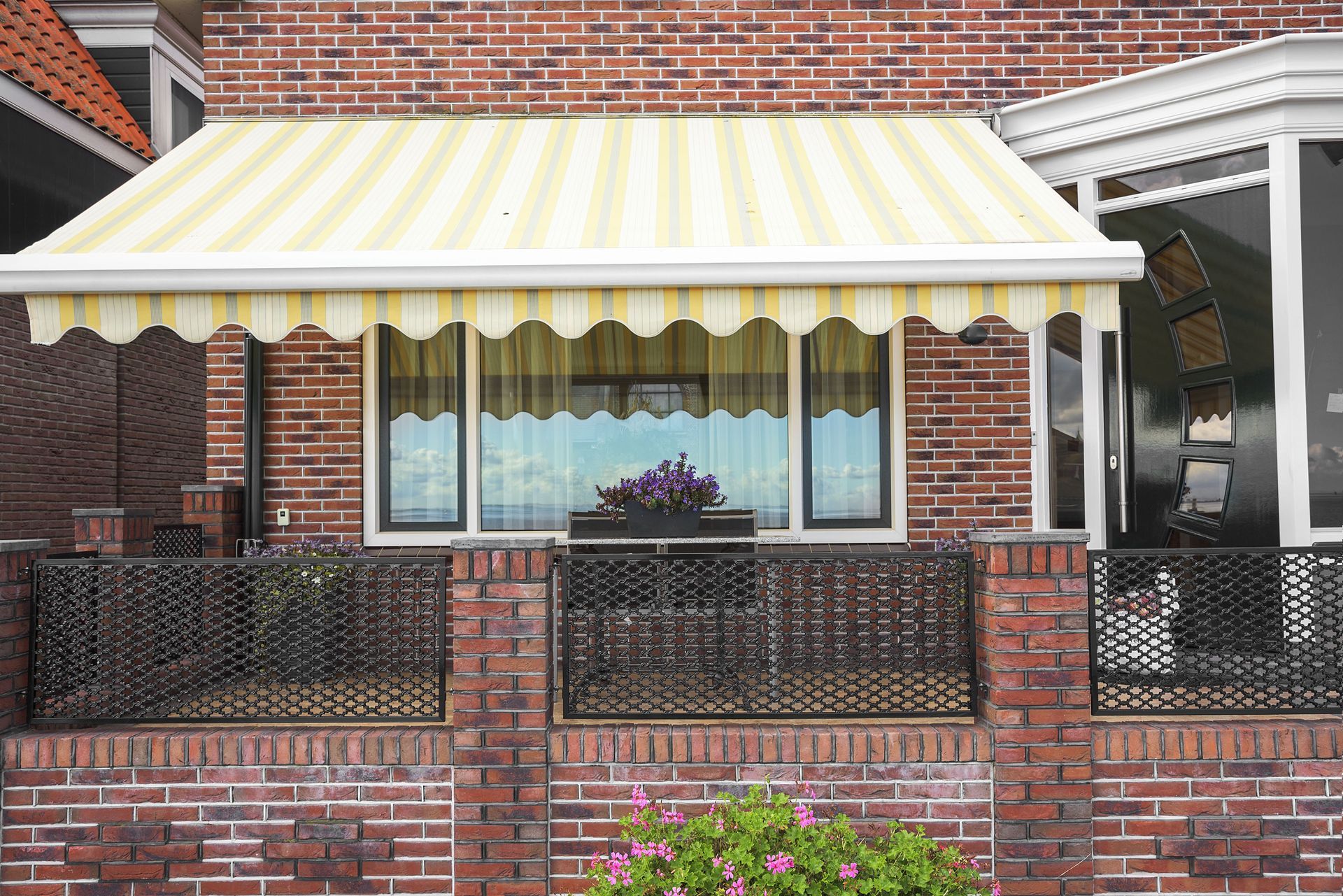
According to Bob Vila, awnings can range upward of 15 feet wide, and two or more awnings can be paired together for more coverage. This flexibility allows homeowners to customize their setup regardless of how expansive their patio or deck might be. If you have an oversized outdoor area, combining multiple units provides complete sun protection without compromising on visual appeal or structural stability. Evaluating your physical footprint early in the planning process guarantees that your finished installation offers adequate shelter for outdoor dining, lounging, and entertaining.
Evaluate the Differences Between Fixed and Retractable Options
Homeowners generally choose between two primary operational styles: stationary models and retractable units. Stationary residential awnings remain in a permanent position once installed, offering continuous protection against both sun and rain. These sturdy frames are ideal for areas that require constant coverage year-round, such as over main entryways or dedicated dining spaces. However, because they are constantly exposed to harsh weather, they require heavy-duty frames and durable fabrics designed to handle winter snow loads and strong wind gusts.
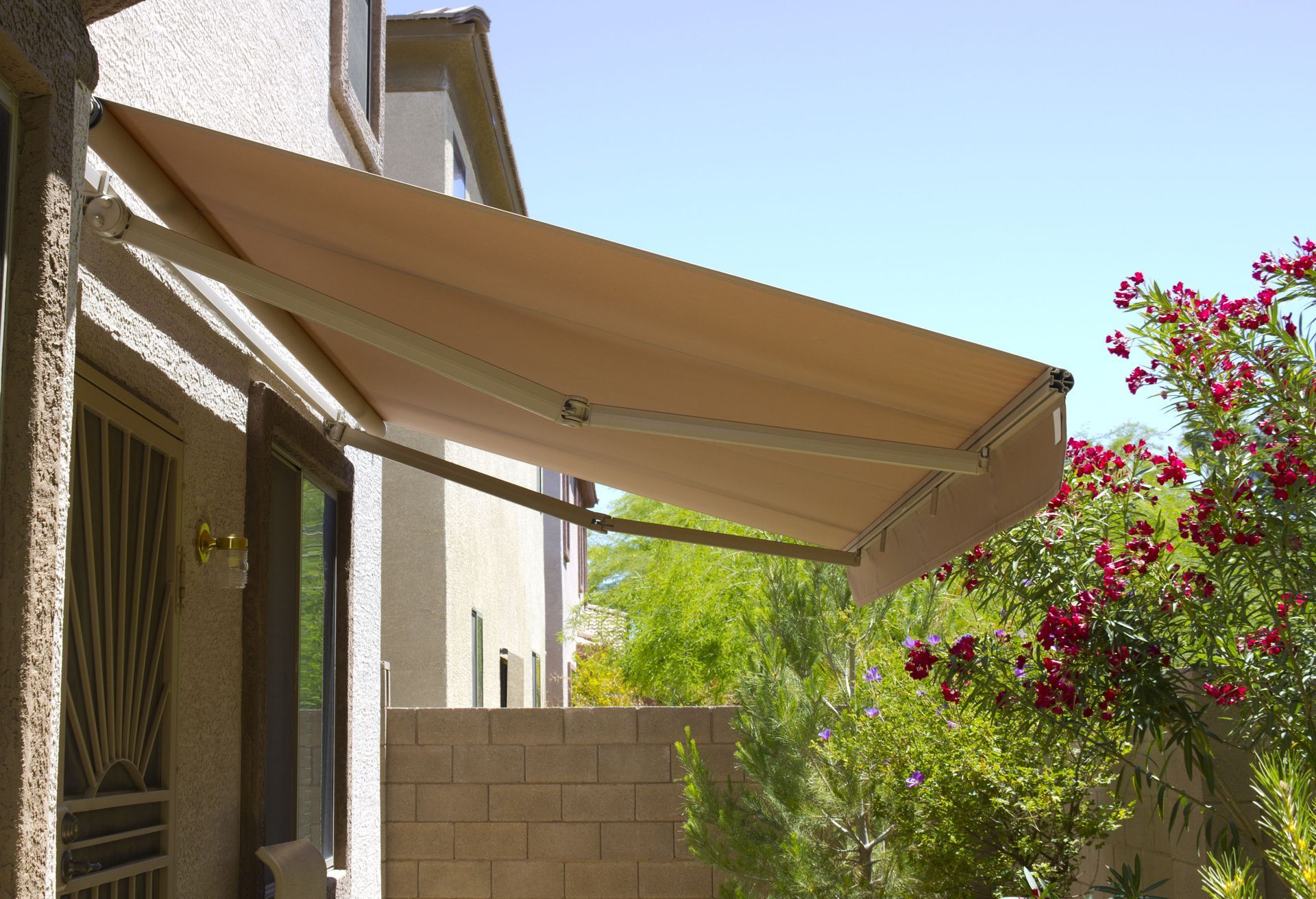
Retractable systems provide greater flexibility by allowing you to roll the fabric back when you want full sunlight. You can choose between manual crank mechanisms or motorized controls that operate at the push of a button. Motorized versions often include optional wind sensors that automatically retract the canopy during sudden storms, protecting your investment from wind damage. Think about how often you plan to adjust your shade throughout the day when deciding which mechanism best fits your daily routine.
Select High-Quality and Weather-Resistant Materials
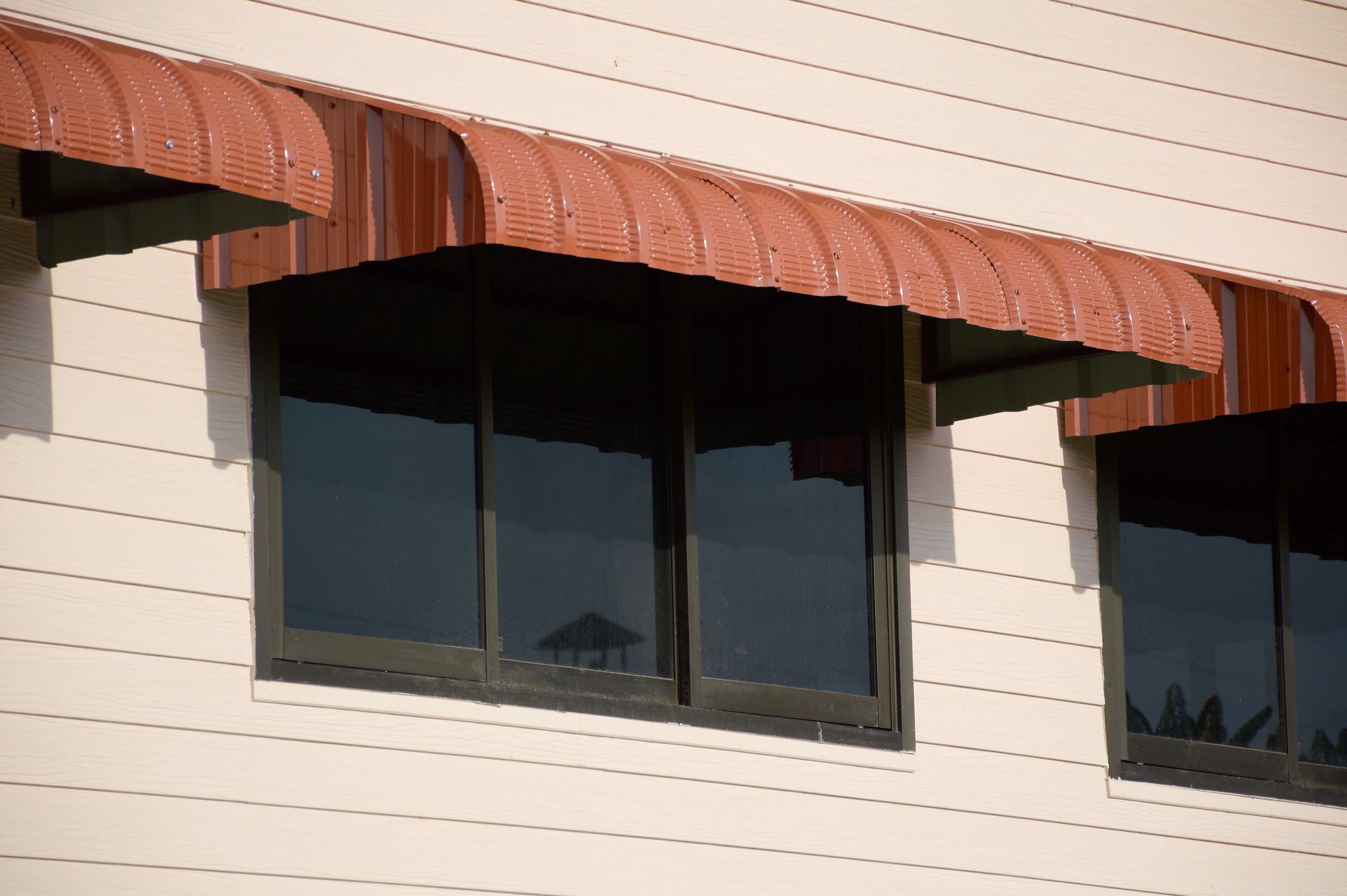
The durability of your residential awnings depends heavily on the quality of materials used for both the frame and the canopy cover. Modern frame structures typically utilize extruded aluminum or high-grade steel. Aluminum is lightweight, highly resistant to rust, and requires minimal upkeep over its lifespan. Steel offers immense structural strength, making it a solid candidate for larger fixed installations, though it must be treated with protective coatings to prevent corrosion in humid environments.
Fabric selection is equally critical for ensuring long-term satisfaction and performance. Solution-dyed acrylic fabrics are widely considered top choices because the color pigments are infused directly into the fibers during manufacturing. This process prevents severe fading caused by intense ultraviolet rays while offering water-resistant properties. Vinyl-coated fabrics are another option, providing excellent water resistance and easy maintenance, though they may offer slightly less breathability than woven acrylic alternatives.
Match the Design with Your Architectural Style
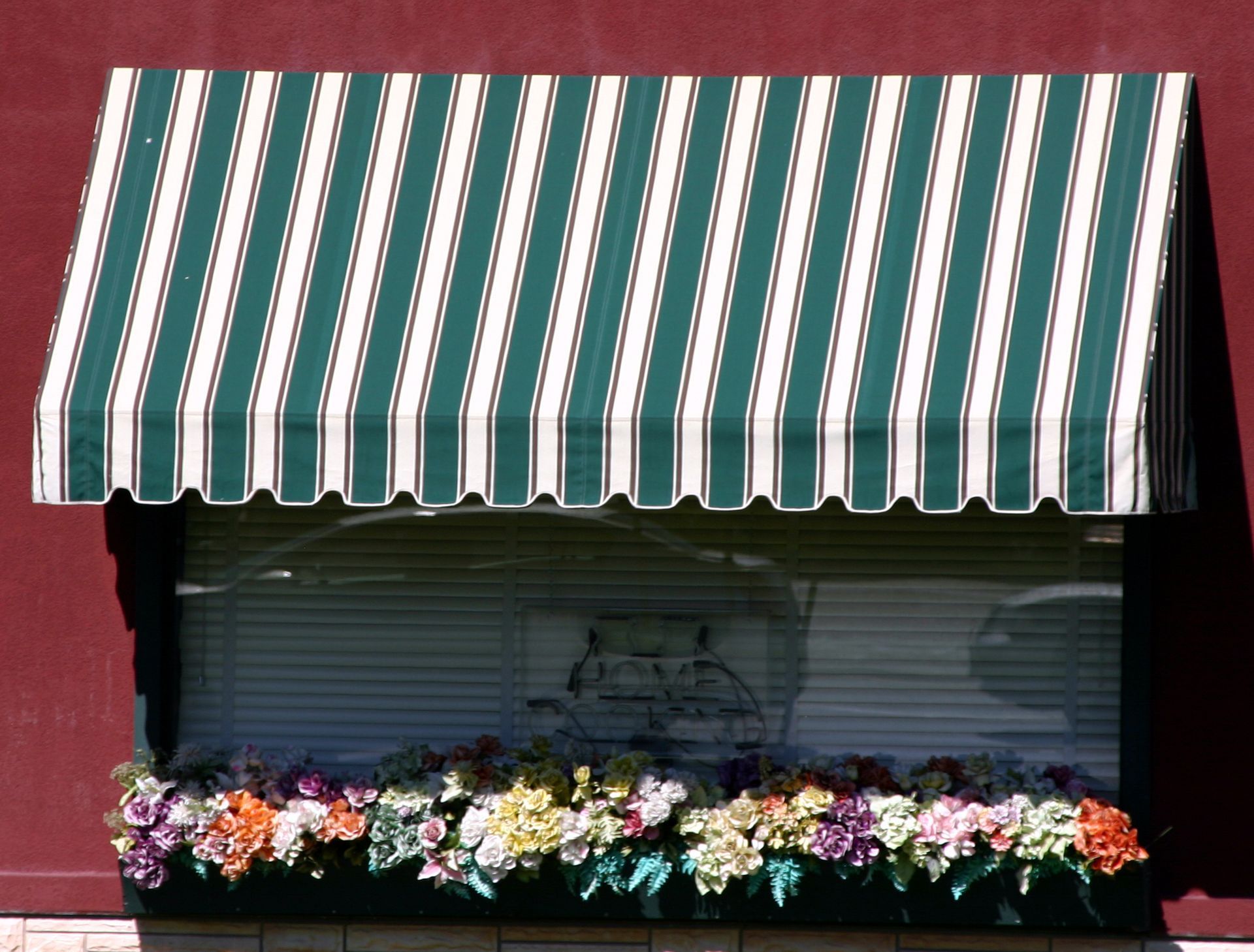
Your new residential awnings should seamlessly complement the existing exterior design of your residence. Consider the architectural style of your home, whether it is a traditional colonial, a rustic farmhouse, or a modern structure. The shape of the canopy—ranging from classic dome styles and traditional slope designs to sleek modern drop arms—plays a major role in defining your home's curb appeal. Selecting a style that aligns with your property's lines creates a cohesive, attractive look.
Color and pattern choices also significantly impact the overall visual effect. Neutral tones such as beige, gray, and navy offer timeless elegance that blends smoothly with most exterior paint shades. If you prefer a bolder statement, vibrant stripes or contrasting trim colors can add character and charm to your yard. Remember that lighter colors reflect solar heat more efficiently, keeping the area beneath the canopy noticeably cooler during peak summer afternoon hours.
Consider Energy Efficiency and Interior Protection
Installing residential awnings provides benefits that extend beyond your outdoor deck or patio space. By blocking direct sunlight before it hits your window glass, exterior shades significantly lower solar heat gain inside your home. This natural cooling effect reduces the burden on your air conditioning unit, helping to lower monthly energy expenses during warm summer periods. Keeping indoor spaces naturally cooler contributes to a more sustainable and cost-effective household environment.
Additionally, blocking intense solar radiation helps preserve your indoor interior decor. Ultraviolet light flowing through bare glass windows causes hardwood flooring, carpets, drapery, and upholstered furniture to fade and deteriorate over time. By placing shade solutions strategically over sun-exposed windows, you protect your valuable interior furnishings from premature wear while maintaining comfortable light levels inside your living rooms.
Establish a Maintenance Routine for Longevity
To keep your
residential awnings looking fresh and operating smoothly, establish a routine for basic maintenance and cleaning. Dust, leaves, and organic debris frequently collect on top of the fabric canopy. Rinsing the fabric periodically with a standard garden hose prevents dirt from embedding deep within the woven fibers, reducing the risk of unsightly mildew growth in damp weather conditions.
When deeper cleaning is required, scrub the fabric gently using a soft-bristle brush, mild soap, and lukewarm water before rinsing thoroughly. Avoid harsh chemical cleaners or high-pressure washers, which can strip away protective coatings or damage delicate seams. Inspecting the frame hardware and lubricating moving mechanical joints once or twice a year keeps retractable units operating effortlessly and extends the overall service life of your installation.
Choosing the right outdoor shade investment requires balancing practical coverage needs, durable materials, and attractive designs that suit your home. When you take the time to evaluate frame durability, fabric quality, and operational styles, you create a comfortable outdoor environment that enhances your everyday living experience. Quality shade installations elevate your home's exterior appeal while providing a cool, inviting area for family gatherings and weekend relaxation.
Since 1933, Thomas Awning has been helping property owners enhance their outdoor spaces throughout MD, DC, and Northern VA. We offer free consultations to guide you through every step of selecting and installing the ideal shade solution for your residence. Contact us today to learn more about our options and discover how we can transform your outdoor area into a comfortable oasis.