October 27, 2026
A comfortable outdoor space should feel like a natural extension of the home, not an area that becomes unusable whenever the sun is intense. Decks and patios can provide valuable places for dining, relaxing, and entertaining, but direct sunlight and changing weather can limit how often homeowners use them. Residential awnings offer a practical way to add shade while also contributing to the appearance of the exterior.
Interest in awnings is visible in current remodeling trends. According to Houzz, 30% of renovating homeowners who selected exterior accent features included awnings in their projects. For homeowners considering an exterior update, the right awning can combine function and design by making outdoor areas more comfortable while complementing the architecture, colors, and proportions of the home.
Create More Comfortable Shade on Decks and Patios
Direct afternoon sun can make a deck or patio uncomfortable even when the weather is otherwise pleasant. An awning creates a defined area of shade over seating, dining, or gathering spaces, allowing homeowners to use those areas during more hours of the day.
Residential awnings can be especially useful over patios that receive strong sun exposure or decks without trees or other sources of shade. Rather than moving furniture throughout the day or relying only on umbrellas, a properly sized awning can provide broader coverage over the area where people spend time.
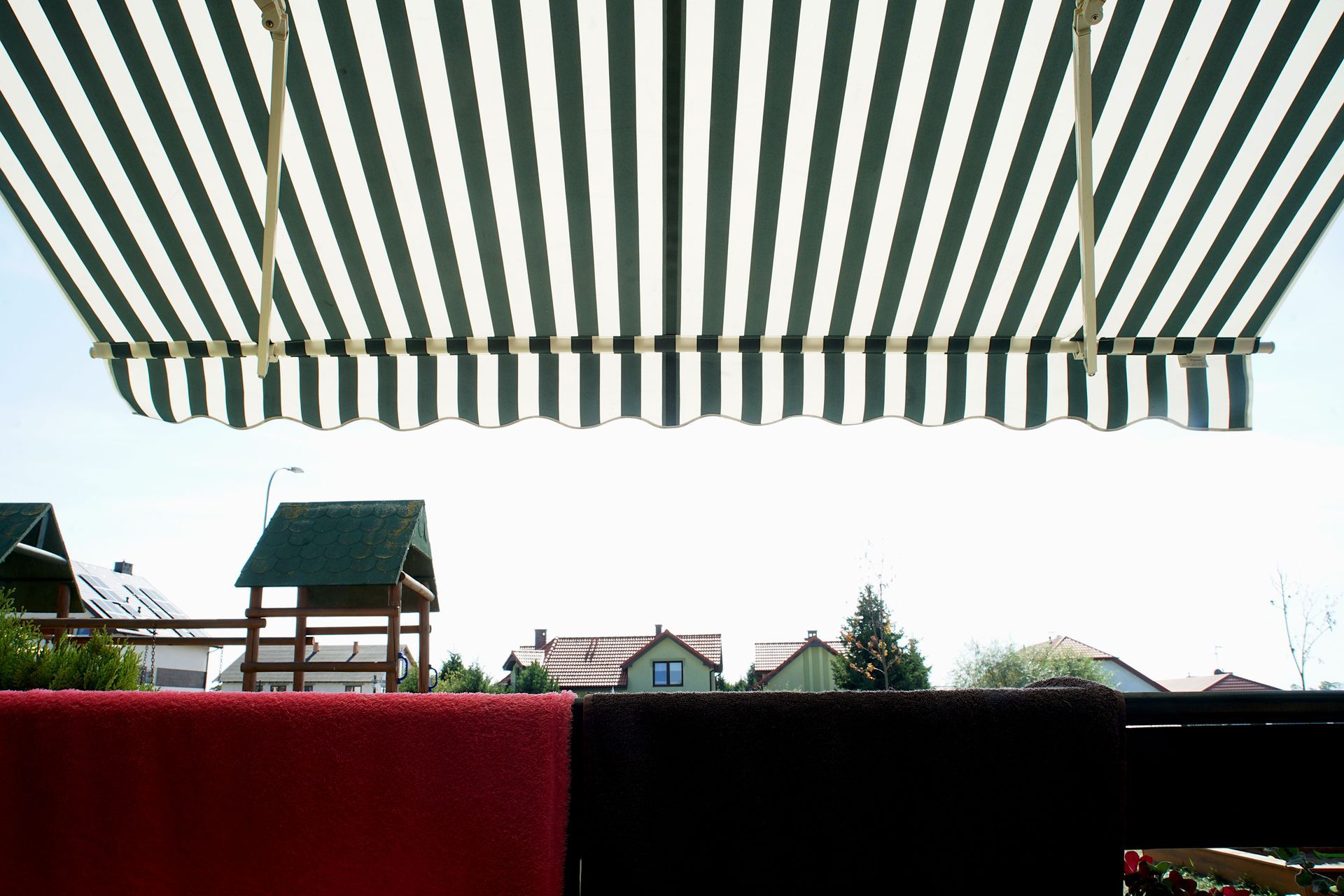
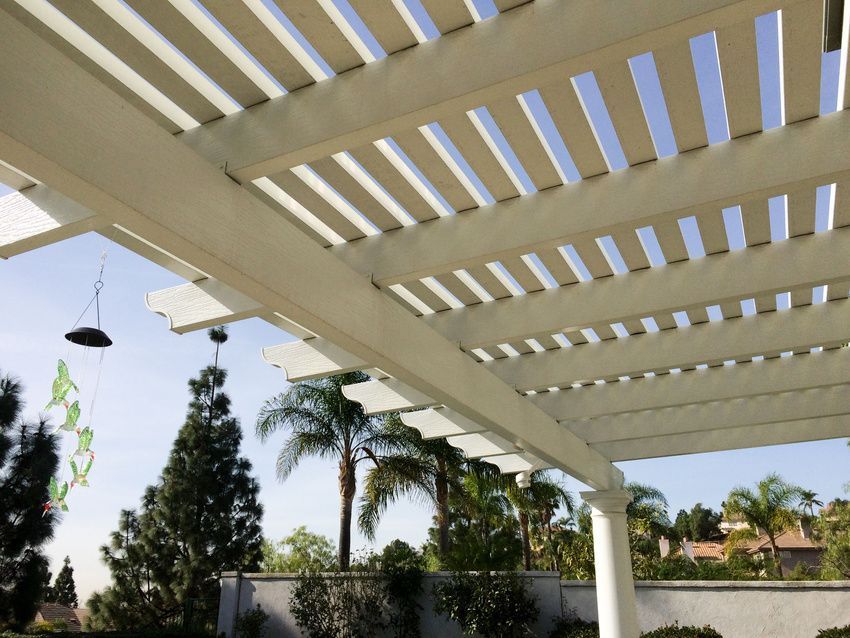
Thomas Awning offers fixed, retractable, motorized, and freestanding awnings, as well as pergola covers. These different formats give homeowners options based on the size of the space, the amount of shade desired, and whether they want permanent coverage or the ability to adjust it.
Make Outdoor Dining and Entertaining More Practical
Outdoor living areas become more useful when they can support everyday activities comfortably. A shaded patio can provide a more inviting setting for family meals, weekend gatherings, reading, or simply spending time outside without sitting in direct sunlight.
Awnings can also provide welcome coverage during light rain, helping homeowners avoid abandoning an outdoor meal or gathering at the first passing shower. However, owners should follow manufacturer guidance for wind and severe weather conditions.
An awning can also help define an outdoor seating area visually. Much like a ceiling helps establish an indoor room, overhead shade can make a patio or deck feel more intentional and connected to the house. Furniture arrangements can then be planned around a consistent area rather than temporary shade.
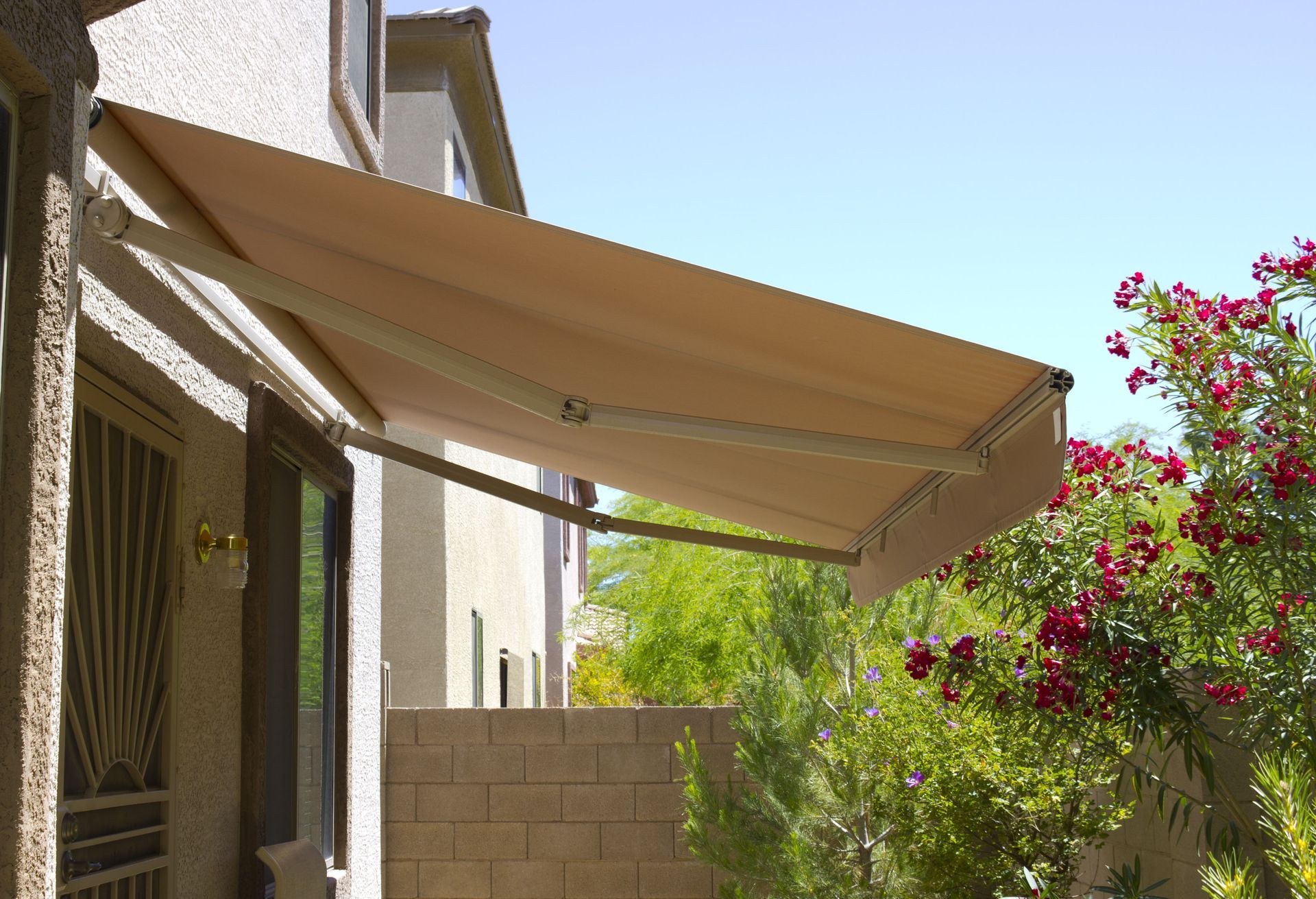
Retractable residential awnings add flexibility because homeowners can extend the covering when shade is needed and retract it when they prefer more open sky or natural light. Motorized options make that adjustment especially convenient for frequently used outdoor areas.
Protect Furniture and Surfaces From Direct Sunlight
Sun exposure does not affect only the people using an outdoor space. Patio cushions, rugs, tables, and other furnishings are also exposed to ultraviolet light and heat. Over time, some materials can fade or show wear from repeated exposure.
Adding shade can help reduce the amount of direct sunlight reaching furnishings beneath the awning. It can also provide coverage for portions of decking or patio surfaces during peak sun periods. While an awning does not eliminate normal outdoor wear, creating a protected zone can help homeowners make more comfortable use of furniture and decorative elements.
Placement matters. A professional can evaluate the orientation of the home, the position of doors and windows, and the layout of furniture to determine where the awning can provide useful coverage without unnecessarily blocking views or movement.
Choose a Design That Complements the Home
An awning is highly visible, so its appearance matters as much as its coverage. Size, fabric, frame, color, pattern, and mounting location can all influence whether the finished installation feels integrated with the home.
Well-designed residential awnings can coordinate with siding, brick, trim, roofing, doors, and other exterior details. A restrained neutral fabric may suit one home, while a stripe or stronger color may work better on another. The proportions of the awning should also relate to the width of the patio, windows, doors, and roofline.
Thomas Awning fabricates custom awnings in-house and offers personalized solutions rather than relying only on standard sizes. That customization makes it possible to consider both practical shade requirements and the visual character of the property.
Use Retractable or Fixed Coverage Based on Your Needs
Homeowners do not all use their outdoor spaces in the same way. Some want dependable shade over a patio throughout the season, while others prefer the option to open the area fully when the sun is mild. Choosing between fixed and retractable designs can help match the awning to those habits.
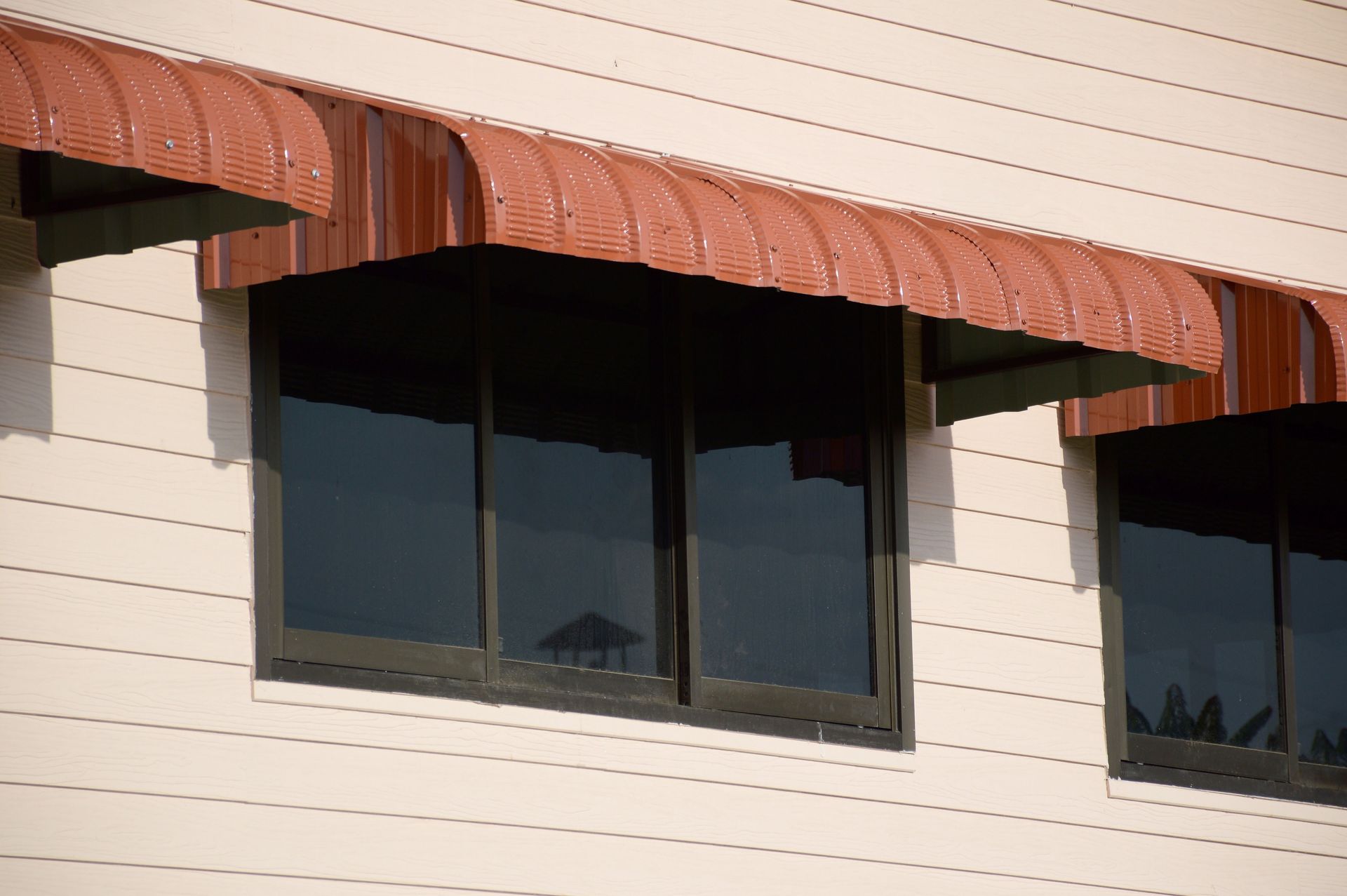
Fixed awnings provide consistent coverage without requiring adjustment. They can work well over areas where shade is regularly desired. Retractable versions provide more control, allowing the fabric to be extended or stored depending on conditions and preferences. Motorized systems offer the same flexibility with easier operation.
Freestanding awnings may be useful when shade is needed away from the exterior wall, while pergola covers can provide a different architectural look. Discussing how the space is used before selecting a style helps ensure the finished product supports daily routines.
Strengthen Curb Appeal With an Intentional Exterior Feature
Curb appeal is created through the relationship between many exterior elements rather than one isolated upgrade. Trim, doors, landscaping, lighting, siding, and shade structures all contribute to the overall impression of a home. An awning can become part of that composition when its design is selected thoughtfully.
The Houzz finding that awnings appeared among exterior accents chosen by renovating homeowners illustrates that they are not viewed only as utilitarian shade devices. They can also function as architectural details that add color, dimension, and definition to the exterior.
Custom residential awnings are particularly useful when homeowners want the addition to feel tailored to the house. Matching proportions and selecting compatible materials can make the awning look like an intentional part of the design instead of an accessory added later.
Work With an Experienced Awning Company
Professional installation helps ensure that an awning is properly sized, positioned, fabricated, and attached for the intended application. An experienced company can also explain differences among awning types and help homeowners determine which options make sense for their space.
Thomas Awning has been in business since 1933 and serves homeowners in Maryland, Washington, D.C., and Northern Virginia. The family-owned and family-operated company fabricates its awnings in-house and does not use subcontractors. It also provides custom options designed around individual properties.
The company offers a one-year workmanship warranty and a 10-year fabric warranty on its awning products. Those details give homeowners additional information to consider when comparing providers, materials, and installation approaches for an exterior shade project.
Make the Outdoor Space Work Better for Your Home
An outdoor space becomes more valuable to everyday life when people actually want to spend time there. Shade can make decks and patios more comfortable during sunny periods, create a more defined setting for meals and gatherings, and provide some protection for furnishings exposed to direct sunlight.
At the same time, residential awnings can contribute to the appearance of the home through fabric, color, proportion, and placement. Fixed, retractable, motorized, and freestanding options allow homeowners to choose a style based on how they use the space and how they want the exterior to look.
For homeowners in Maryland, Washington, D.C., and Northern Virginia, Thomas Awning provides custom deck and patio awnings backed by decades of experience. A thoughtfully designed awning can bring together comfort and curb appeal, helping transform an exposed patio or deck into a more inviting part of the home.